





Chain of responsibility
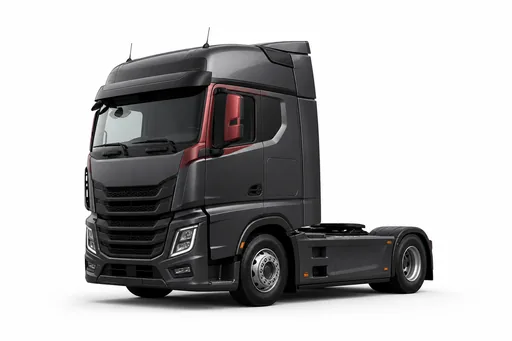
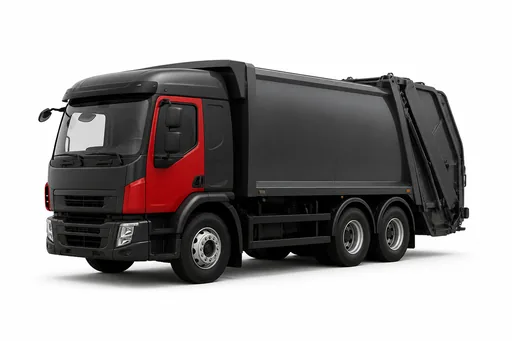
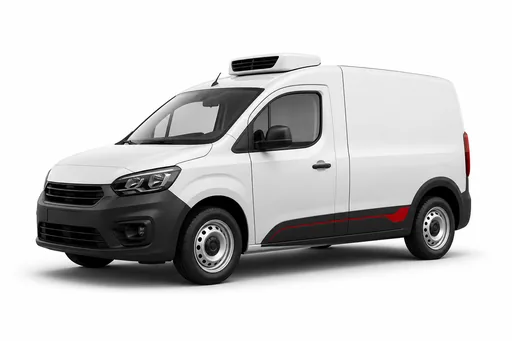
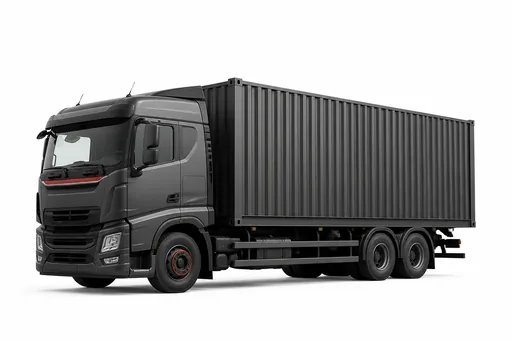
If you send, schedule, load or operate heavy vehicles, you share the primary duty under the HVNL. Speed, trip, stop and maintenance records show how your vehicles were actually used.
Australia
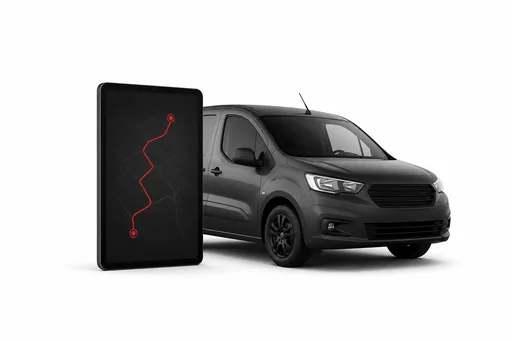
Australian fleets work far from the depot, under clear safety duties. Autonautics, built by Anstel in Sydney since 2010, shows where every vehicle is and keeps the records that show how your fleet is run.
The challenge
A truck that leaves a Sydney depot on Monday can cross three states before it comes home. For most of that trip the driver is out of sight, the schedule is under pressure, and the vehicle is still your responsibility.
The rules have moved too. On 1 August 2026 the Heavy Vehicle National Law was reformed, with a new accreditation scheme and updated fatigue and work diary rules, and the NHVR’s new Master Code sets out how businesses can manage the risks of each transport activity.
The question for every operator is the same: do you know where your vehicles are, and could you show how they were driven?
New guide · Heavy vehicles
Who is in the chain, the shared primary duty, what changed on 1 August 2026, how to use the new Master Code, and where telematics records help, in one plain-English guide.
What matters in Australia
Australian fleet managers are asked to show, not just say, that their vehicles are run safely and efficiently. These are the areas where Autonautics helps most.
If you send, schedule, load or operate heavy vehicles, you share the primary duty under the HVNL. Speed, trip, stop and maintenance records show how your vehicles were actually used.
Under work health and safety laws, a vehicle used for work is a workplace. Driver behaviour scoring, AI-Camera events and SOS alerts help you manage the risks to drivers and the public.
Automatic trip records make it easier to keep the logbook the ATO asks for under the FBT operating cost method, and to cut fuel, idling and unplanned maintenance.
Why fleets choose Anstel in Australia
Anstel was founded in Sydney in 2010 and is an Australian proprietary company, registered with ASIC since May 2010. Our Sydney headquarters runs corporate governance, core research and development, and enterprise partnerships, and our Australian team handles sales, onboarding and support on Australian Eastern time.
Autonautics is developed and supported by Anstel’s team in Sydney, so product questions reach the people who build it.
We create your account, add your vehicles and users, and set up geofences, alerts and reports with you on site or over video call.
Autonautics works with Teltonika, Queclink, Jimi and 20+ other tracker models, and AI-Camera and IoT devices, fitted by your auto electrician or a local installer.
Contact the same team by phone or email for questions, changes, training for new staff and new vehicles.
Sydney headquarters
Anstel Pty Ltd
Suite 18, 12 Tryon Road
Lindfield NSW 2070, Australia
Autonautics in Australia
Start with GPS tracking on a few vehicles or the whole fleet, then add the tools that turn location data into safer, cheaper operations, on the same platform and usually the same trackers.
Live GPS tracking, trip history, geofences, alerts and reports. Keep supported trackers you already have (Teltonika, Queclink, Jimi and 20+ other models) and start with part of your fleet if you like.
Add AI-Camera video and driver monitoring, driver behaviour scoring, fuel and maintenance management, IoT sensors, dispatch and integrations, with speed, trip and maintenance records that support your chain of responsibility systems.
Pricing depends on fleet size and the devices you use. Ask for a quote or book a demo.
For drivers
Telematics works best when drivers see it as backup, not surveillance. In Australia, as everywhere, Autonautics is built to protect and recognise the people behind the wheel.
Speeding, harsh braking, rapid acceleration, cornering and idling are weighed by how often and how badly they happen, so each driver gets one clear score, and good driving is recognised, not just mistakes.
AI-Camera video synchronised with the GPS route helps verify what really happened in an incident and clear false claims.
SOS and panic buttons send an emergency alert with the vehicle’s live location, so the team can respond quickly, even when someone is working alone.
The Autonautics Last Mile app gives drivers navigation, their deliveries and proof of delivery on their phone, and lets customers see a live ETA.
Knowledge Center
FAQ
It gives you records that support your safety systems: speed, location, trip times, stops and maintenance. It is not an NHVR-approved electronic work diary, and using it does not by itself make an operation compliant. Our chain of responsibility guide explains the 2026 changes.
Autonautics records every trip with dates, times, distances and locations, which makes it easier to keep the logbook the ATO asks for under the operating cost method. Check the requirements for your vehicles with your tax adviser.
Yes. Anstel Pty Ltd was founded in Sydney in 2010 and has been registered with ASIC since May 2010. Our headquarters in Lindfield, NSW runs research and development, sales and customer support.
Often, yes. Autonautics supports Teltonika, Queclink, Jimi and 20+ other models. Send us the make and model and we’ll confirm compatibility before you commit.
Yes. You can begin with GPS tracking on part of your fleet, then add driver safety, maintenance, fuel or IoT monitoring later.
A fair driving score based on speeding, harsh braking, acceleration, cornering and idling, AI-Camera video that helps clear false claims, SOS and panic buttons for emergencies, and the Last Mile app for navigation, deliveries and proof of delivery.
Australia
Book a demo with our Sydney team. We’ll walk through the platform and check your devices, routes and reporting needs.
Request a Demo