




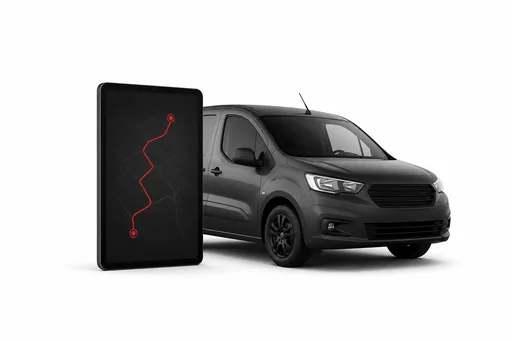
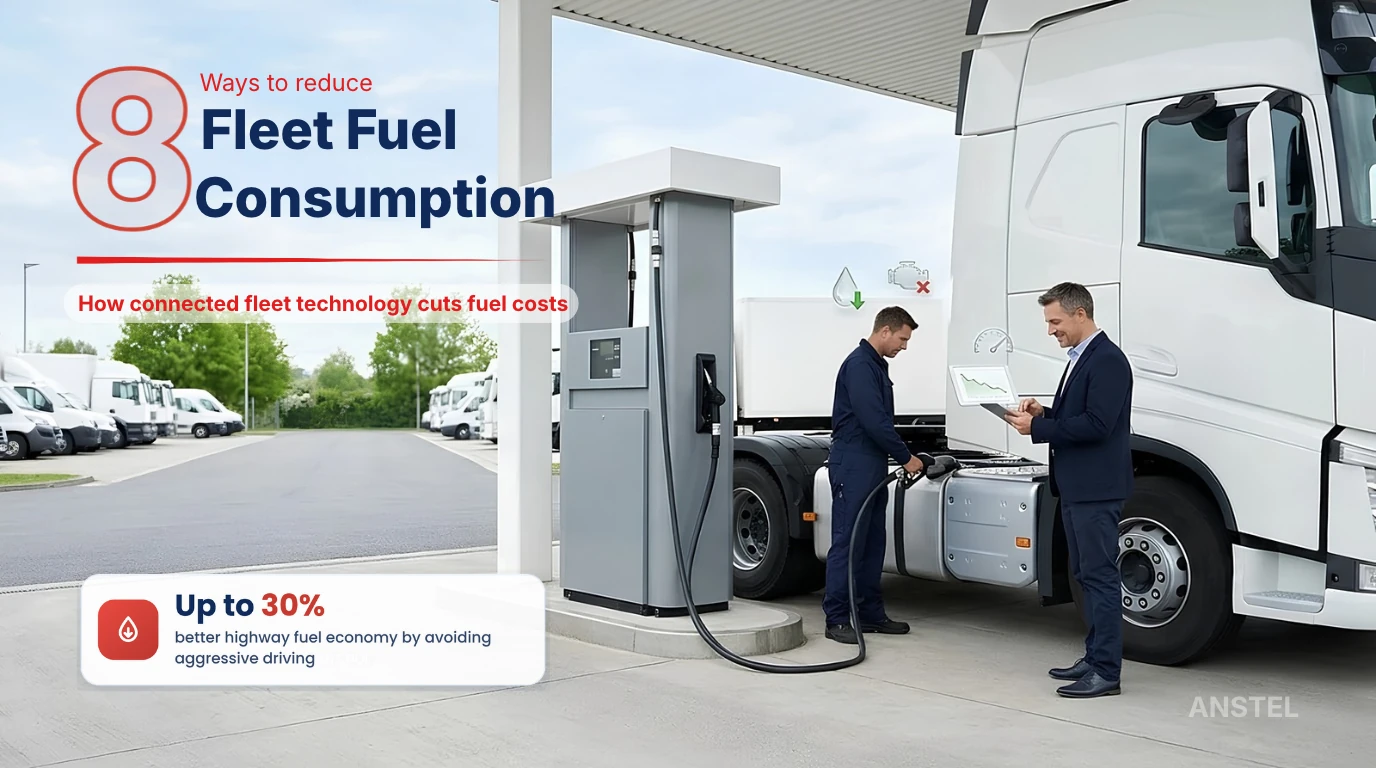
Fleets reduce fuel consumption by cutting idling, speeding, and aggressive driving, planning shorter routes, keeping vehicles well maintained, and stopping fuel theft and unauthorised use. Connected fleet technology makes each of these measurable: GPS tracking and telematics show exactly where fuel is wasted, for every vehicle and driver, so managers can act on the biggest losses first.
Fuel is one of the largest running costs for most fleets, and its price is outside a fleet's control. India imports around 90% of its crude oil, so pump prices rise when global oil prices do. What fleets can control is how much fuel their vehicles burn. Driving habits alone make a big difference: according to the US Department of Energy, aggressive driving can lower fuel economy by roughly 15% to 30% at highway speeds and 10% to 40% in stop-and-go traffic. This guide explains what idle time is and why vehicles idle, the eight biggest ways to reduce fuel consumption with connected fleet technology, and the fuel KPIs to track.
What this guide covers
- Where fleets waste fuel
- What idle time is, and why vehicles idle
- 8 ways to reduce fleet fuel consumption
- Fuel KPIs to track
- FAQs
Where Fleets Waste Fuel
- Idling: engines running while vehicles stand still.
- Speeding: fuel economy drops quickly at higher speeds.
- Harsh acceleration and braking: wasted energy and extra wear.
- Long or inefficient routes: extra kilometres and time in traffic.
- Poor maintenance: under-inflated tyres, clogged filters, and engine faults.
- Fuel theft and fraud: fuel drained from tanks or fuel cards misused.
- Unauthorised use: personal trips and after-hours driving.
What Is Idle Time?
In fleet management, idle time is the time a vehicle's engine runs while the vehicle isn't moving. Some idling can't be avoided, such as stopping at traffic lights, but much of it can: engines left running during deliveries, loading, breaks, or long waits at customer sites. The US Department of Energy says idling can use a quarter to a half gallon of fuel an hour, roughly one to two litres, depending on engine size and air conditioning, and larger engines use more. Across a fleet, an hour of unnecessary idling per vehicle per day adds up to a large fuel bill, extra engine wear, and more emissions.
Why Do Vehicles Idle?
- Traffic congestion: long waits in slow traffic.
- Loading and unloading: engines left running at depots and docks.
- Waiting at delivery locations: queues at customer sites and warehouses.
- Driver breaks: engines left on during rest stops.
- Administrative delays: paperwork, checkpoints, and toll plazas.
- Engine warm-up and cabin comfort: running the engine for heating or air conditioning.
8 Ways to Reduce Fleet Fuel Consumption
1. Cut Unnecessary Idling
Set idle alerts, for example when an engine runs for more than five or ten minutes without moving. Review idle reports by vehicle, driver, and location to find the worst cases, then coach drivers to switch off during loading, deliveries, and breaks. Geofences around depots and customer sites show where vehicles wait the longest, which can point to scheduling problems rather than driver habits.
2. Reduce Speeding
Fuel economy usually falls quickly at higher speeds, so a vehicle driven a little slower on the highway uses noticeably less fuel. Set speed limits in your fleet software and use alerts and reports to find drivers who regularly exceed them.
3. Coach Smoother Driving
Harsh acceleration and braking waste fuel and wear out brakes and tyres. Driver scores based on these events show who needs coaching, and sharing each driver's own data, along with rewards for the most efficient drivers, encourages smoother habits.
4. Plan Efficient Routes
Route optimisation cuts kilometres and time in traffic by planning efficient routes and sending the nearest available vehicle to each job. Our "Route Optimization" guide in the Anstel Knowledge Center explains how it works.
5. Keep Vehicles Well Maintained
Correct tyre pressure, clean filters, and a well-tuned engine all save fuel. Telematics can send service reminders based on real kilometres and engine hours, and flag engine fault codes early. If one vehicle suddenly uses more fuel than similar vehicles on similar routes, it may need a check.
6. Monitor Fuel and Stop Theft
Fuel level sensors show refuels and sudden drops in the tank, which can point to theft. Comparing fuel card transactions with the vehicle's location and the fuel actually added helps catch fuel card fraud.
7. Prevent Unauthorised Use
Geofences and working-hours alerts show when vehicles are used outside approved areas or times, so the business isn't paying for personal trips.
8. Use the Right Vehicle for Each Job
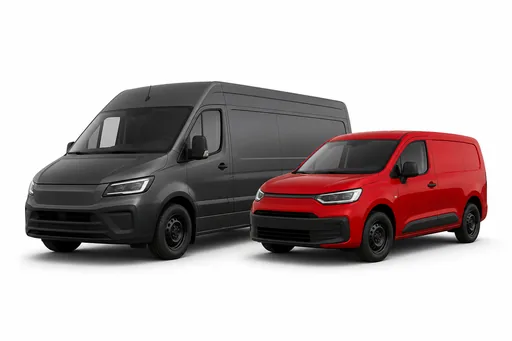
Utilisation data shows which vehicles are overused or underused. Matching vehicle size to the load, consolidating part loads, and considering electric vehicles for suitable routes can all cut fuel use.
Fuel KPIs to Track
- Fuel consumption: litres per 100 km, or km per litre, for each vehicle.
- Idle time: as a percentage of engine-on time, by vehicle and driver.
- Speeding and harsh driving events per 100 km.
- Fuel cost per km or per delivery.
- Unexplained fuel loss: fuel bought compared with fuel used.
- Kilometres per stop: a measure of route efficiency.
Measure a baseline before making changes, then review the KPIs every month so you can see which actions save the most.
How Anstel Helps
Anstel's Autonautics platform brings the data you need to cut fuel costs into one dashboard: idle time alerts and reports, speeding and harsh driving events, driver scores, route planning and live tracking, maintenance reminders, geofences, and fuel monitoring with refuel and drain alerts. Reports by vehicle, driver, and site show where fuel is being wasted and whether your changes are working.
Frequently Asked Questions
How can a fleet reduce fuel consumption?
By cutting idling, speeding, and harsh driving, planning efficient routes, keeping vehicles well maintained, monitoring fuel to stop theft, preventing unauthorised use, and matching vehicles to each job.
What is idle time in fleet management?
Idle time is the time a vehicle's engine runs while the vehicle is stationary. Unnecessary idling wastes fuel, adds engine wear, and increases emissions.
How much fuel does idling waste?
According to the US Department of Energy, idling can use a quarter to a half gallon of fuel an hour, roughly one to two litres, depending on engine size and air conditioning. Larger engines use more.
How does GPS tracking help reduce fuel costs?
GPS tracking and telematics record idling, speeding, harsh driving, routes, and vehicle use. Alerts and reports show exactly where fuel is wasted, so managers can coach drivers, plan better routes, and stop misuse.
Does driving behaviour really affect fuel consumption?
Yes. The US Department of Energy says aggressive driving can lower fuel economy by roughly 15% to 30% at highway speeds and 10% to 40% in stop-and-go traffic.
How can fleets detect fuel theft?
Fuel level sensors show sudden drops in the tank, and comparing fuel card transactions with vehicle location and actual refuels helps catch fraud.
Every Litre Counts
Fleets can't control fuel prices, but they can control how much fuel they use. Measure where fuel is wasted, start with idling and driving habits, and track the results every month.
Get in touch with the Anstel team to see how much fuel your fleet could save.