



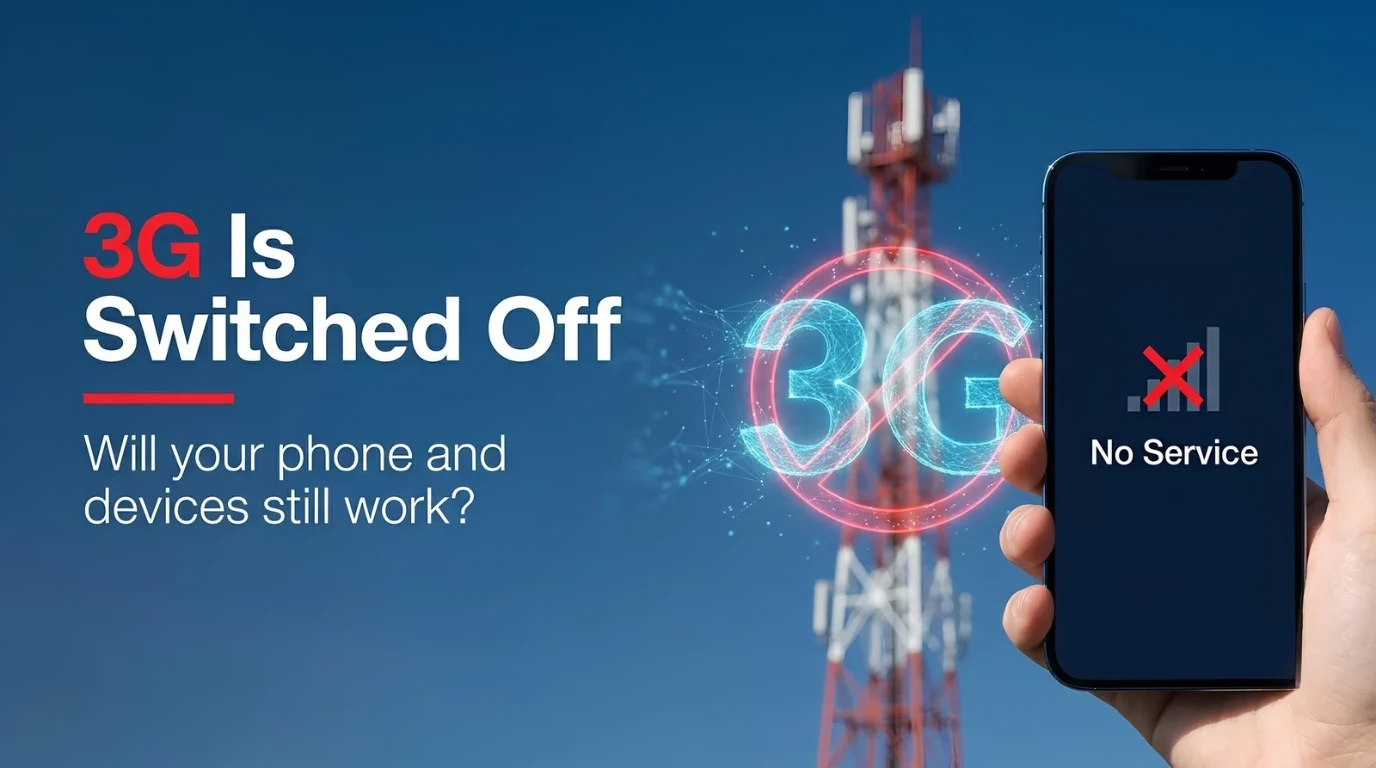
Your phone is affected by the 3G shutdown if it only works on 3G, uses 3G for voice calls, or falls back to 3G to call emergency services. Phones that support 4G with VoLTE (voice over 4G) and the right network bands keep working normally. 3G networks have now been switched off in Australia, New Zealand, the United Kingdom, and the United States, and are being phased out in India.
It is not only phones. Smartwatches, personal medical alarms, home security systems, EFTPOS terminals, GPS vehicle trackers, and other connected devices that rely on 3G can stop working too. This guide explains which phones and devices are affected, how to check yours, and what to do if you need to upgrade.
What this guide covers
- What the 3G shutdown is
- 3G shutdown dates by country
- Which phones are affected
- How to check your phone
- Other devices the 3G shutdown affects
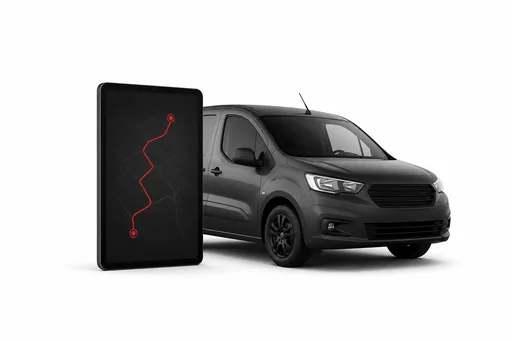
- Vehicle trackers and fleet telematics
- What to do if your device is affected
- FAQs
What Is the 3G Shutdown?
3G is the third generation of mobile network technology, launched in the early 2000s. Mobile operators are switching it off so they can reuse its radio spectrum for faster, more efficient 4G and 5G networks. Running several generations of network side by side is expensive, and very few customers still rely on 3G.
Once 3G is switched off in an area, devices that depend on it can no longer make calls, send texts, or use mobile data on that network. 4G and 5G keep running, and in some countries, such as the UK and India, 2G is also staying on for now for basic calls and texts.
3G Shutdown Dates by Country
- Australia: TPG Telecom (Vodafone) switched off 3G in January 2024. Telstra and Optus began switching off their 3G networks on 28 October 2024. Australia has no 2G network, so devices need 4G or 5G.
- New Zealand: 2degrees shut down its 3G network in February 2026, and One NZ and Spark completed their 3G shutdowns in late March 2026.
- United Kingdom: all mobile networks have now switched off 3G, according to Ofcom. EE, Vodafone, and O2 still run 2G for basic calls and texts, but plan to switch it off between 2029 and 2033. Three has no 2G network.
- United States: AT&T switched off 3G in February 2022, T-Mobile in July 2022, and Verizon on 31 December 2022.
- India: Airtel phased out its 3G network across India around 2020, and Jio has only ever run 4G and 5G networks. Vodafone Idea has been closing 3G circle by circle and moving the spectrum to 4G. 2G is still widely used for calls on feature phones.
Will Your Phone Be Affected by the 3G Shutdown?
Most smartphones sold in the last several years support 4G and VoLTE and will not be affected. These are the types of phone that are:
- 3G-only phones: older phones and many basic feature phones that cannot connect to 4G at all. They lose calls, texts, and data.
- 4G phones without VoLTE: these use 4G for internet but switch to 3G for voice calls. Without 3G, they can no longer make or receive calls.
- 4G phones without the right bands: a phone must support the 4G frequency bands used locally. In Australia, the 700 MHz band (Band 28) is important for coverage, especially in regional areas.
- VoLTE phones that need 3G for emergency calls: some older or overseas models make normal calls over 4G but fall back to 3G to call emergency services. Without 3G, they may not be able to call for help.
Why Some Phones Were Blocked in Australia
The last group is the most dangerous, because owners may not know their phone cannot call Triple Zero (000). The Australian Government estimated that more than 100,000 phones in use had this problem. Under an updated emergency call rule from the Australian Communications and Media Authority (ACMA), carriers began blocking phones that can no longer call 000 from 28 October 2024. When a newly found phone fails the test, the customer is notified and the phone is blocked if it is not replaced.
How to Check If Your Phone Will Still Work
- Check the network settings. On most phones, look under Settings → Mobile network for 4G, LTE, or 5G options, and for VoLTE, "4G calling", or "Wi-Fi and 4G calling". If there is no 4G option, the phone is 3G-only.
- Find your IMEI number. Dial *#06# to show the phone's 15-digit IMEI.
- Use an official checker. In Australia, enter your IMEI in the Check my Device tool from the Australian Mobile Telecommunications Association (AMTA), or use your provider's checker. In other countries, ask your mobile provider.
- Ask your provider if you are unsure. Providers can see whether your phone uses 3G on their network and can suggest compatible models.
- Do not call emergency services to test your phone. Use the checkers instead, so emergency lines stay free.
- Check before buying a used or imported phone. Refurbished and overseas models are more likely to lack VoLTE, local bands, or emergency calling over 4G.
Other Devices the 3G Shutdown Affects
Any device with a SIM card that relies on 3G can lose its connection. Check these in particular:
- Smartwatches and tablets with their own mobile connection.
- Mobile broadband dongles, pocket Wi-Fi devices, and older routers.
- Personal medical alarms and fall detectors used by older people living alone.
- Home security systems and alarm diallers that send alerts by SMS or call.
- Lift emergency phones and building access systems.
- EFTPOS and card payment terminals that connect over the mobile network.
- Smart meters and remote sensors, including agricultural, water, and environmental monitoring equipment.
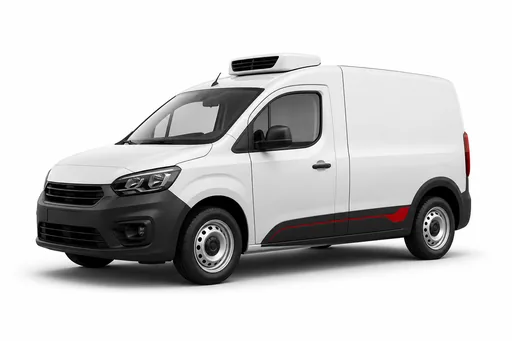
- GPS vehicle trackers, fleet telematics units, and connected dashcams.
For devices without a screen, the label or manual usually lists the supported networks. If it only mentions 3G, UMTS, WCDMA, or HSPA, the device needs replacing. If in doubt, ask the manufacturer or the company that supplies the service.
What the 3G Shutdown Means for Vehicle Trackers and Fleet Telematics
Businesses are often caught out by devices nobody looks at every day. Older vehicle trackers and telematics units were commonly built on 3G, and once the network goes, they stop sending data without any obvious warning.
- Signs of a 3G tracker problem: vehicles that stay frozen at their last known location, missing trips in reports, alerts that stop arriving, and devices showing as offline.
- What it affects: live tracking, theft alerts, driver behaviour data, maintenance reminders, and any compliance records that depend on the device.
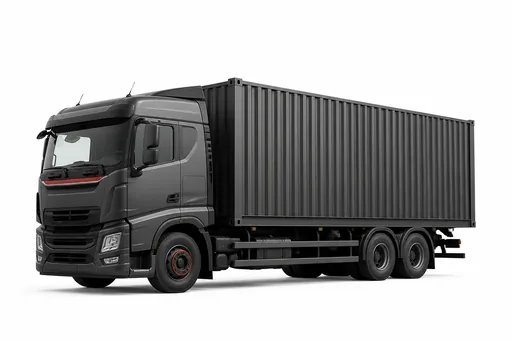
- What to replace them with: 4G LTE Cat 1 devices suit most vehicle tracking, while LTE-M (Cat-M1) and NB-IoT devices suit low-power assets such as trailers and containers. In Australia, choose devices that support Band 28.
- Features worth having: storage of data when there is no signal, over-the-air firmware updates, and an IoT SIM plan that supports 4G.
3G Upgrade Checklist for Businesses
- List every connected device: trackers, telematics units, alarms, payment terminals, sensors, and routers, with their location and the network they use.
- Check network support: confirm 4G or 5G support, the right local bands, and whether the SIM plan supports 4G.
- Prioritise: replace safety, security, and compliance devices first, then high-value vehicles and assets.
- Plan the rollout: book installation, schedule vehicles, and keep spare devices for quick swaps.
- Test after installation: confirm live location, alerts, reports, and data uploads work before removing the old device.
What to Do If Your Phone or Device Is Affected
- Phones: upgrade to a 4G or 5G phone that supports VoLTE and your local network bands. Many low-cost 4G smartphones and 4G feature phones meet these requirements, but check before you buy, and ask your provider for a list of compatible models.
- Personal and home devices: contact the manufacturer or service provider for a 4G replacement, and test medical alarms and security systems once the new device is installed.
- Business devices: follow the checklist above, and ask your telematics or IoT provider for a replacement plan and timeline.
- Old devices: recycle them rather than putting them in household waste. In Australia, the free MobileMuster programme collects old phones and accessories.
How Anstel Helps Businesses Move Beyond 3G
Anstel works with fleets and connected businesses across Australia, New Zealand, India, Fiji, and Papua New Guinea, helping them replace legacy trackers and keep their vehicles and assets visible.
- 4G tracking devices: wired 4G trackers for cars, vans, trucks, and buses, in LTE Cat 1 and LTE-M/NB-IoT versions to suit different networks and coverage.
- One platform for every device: the Autonautics platform supports more than 20 device models from leading manufacturers, so mixed fleets can be upgraded in stages.
- Data that keeps flowing: live tracking, alerts, trip history, driver behaviour, and maintenance data on web and mobile, with APIs for other business systems.
- Local support: teams in the regions where your vehicles operate to help plan and complete the upgrade.
Frequently Asked Questions
Will my phone work after the 3G shutdown?
Your phone will keep working if it supports 4G or 5G, VoLTE (voice calls over 4G), and the network bands used in your country, and can make emergency calls without 3G. Phones that only support 3G, or that use 3G for voice or emergency calls, will not work properly once 3G is switched off.
How do I know if my phone is 3G or 4G?
Check your phone's mobile network settings for 4G, LTE, or 5G options and a VoLTE or "4G calling" setting. You can also dial *#06# to find your IMEI number and enter it in your provider's checker or, in Australia, the AMTA Check my Device tool.
What is VoLTE, and why does it matter?
VoLTE stands for Voice over LTE. It lets a phone make voice calls over the 4G network. Phones without VoLTE switch to 3G for calls, so once 3G is gone, they can no longer make or receive calls even though their 4G data still works.
Why was my 4G phone blocked in Australia?
Some 4G phones can make normal calls over 4G but rely on 3G to call Triple Zero (000). Under updated rules from the Australian Communications and Media Authority, carriers must block phones that can no longer reach emergency services, so owners replace them before they need to call for help.
Will 4G be switched off next?
Not soon. No major operator in Australia, New Zealand, the UK, the US, or India has announced a date to switch off 4G, and 4G is expected to run alongside 5G for many years. Choosing devices that support both 4G and 5G gives the longest life.
Do GPS trackers stop working after the 3G shutdown?
Trackers that rely only on 3G stop sending location data once 3G is switched off, so vehicles appear frozen at their last known position. Replacing them with 4G LTE, LTE-M, or NB-IoT trackers that support local network bands restores live tracking and alerts.
Stay Connected After 3G
The 3G shutdown is a one-off change that affects more than phones. Checking your phone takes a minute, and listing the other connected devices in your home or business takes little longer. Replacing anything that still relies on 3G now avoids losing calls, alerts, or vehicle data when you need them most.
Get in touch with the Anstel team for help replacing 3G trackers and keeping your fleet connected.