

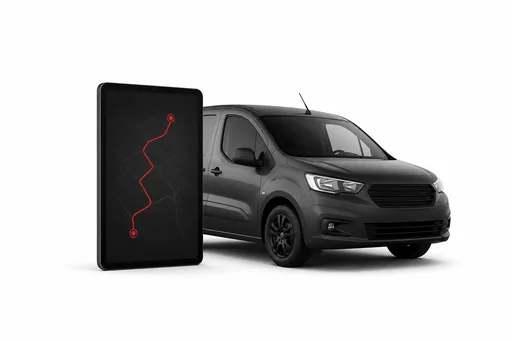
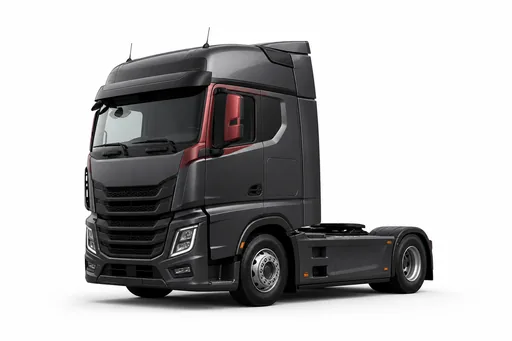
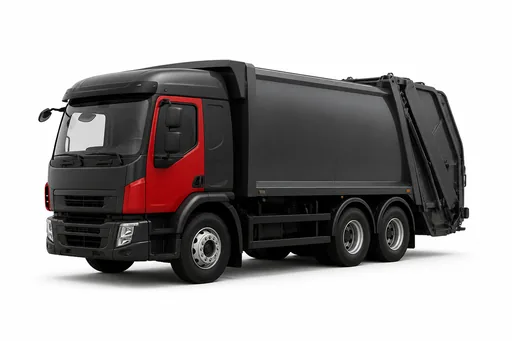
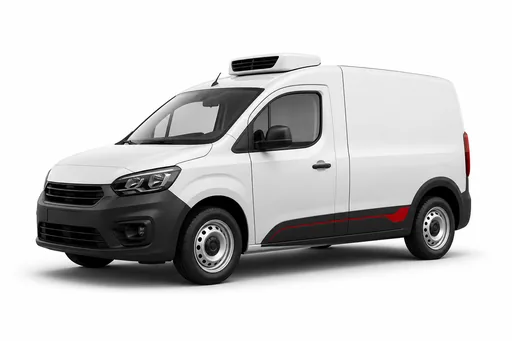
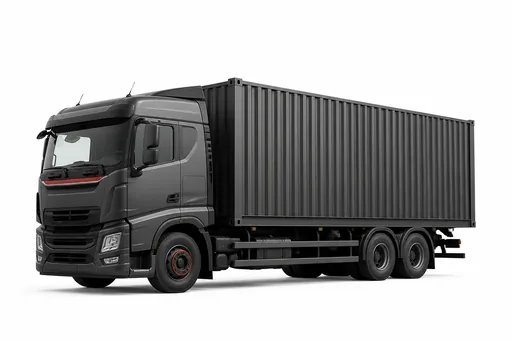
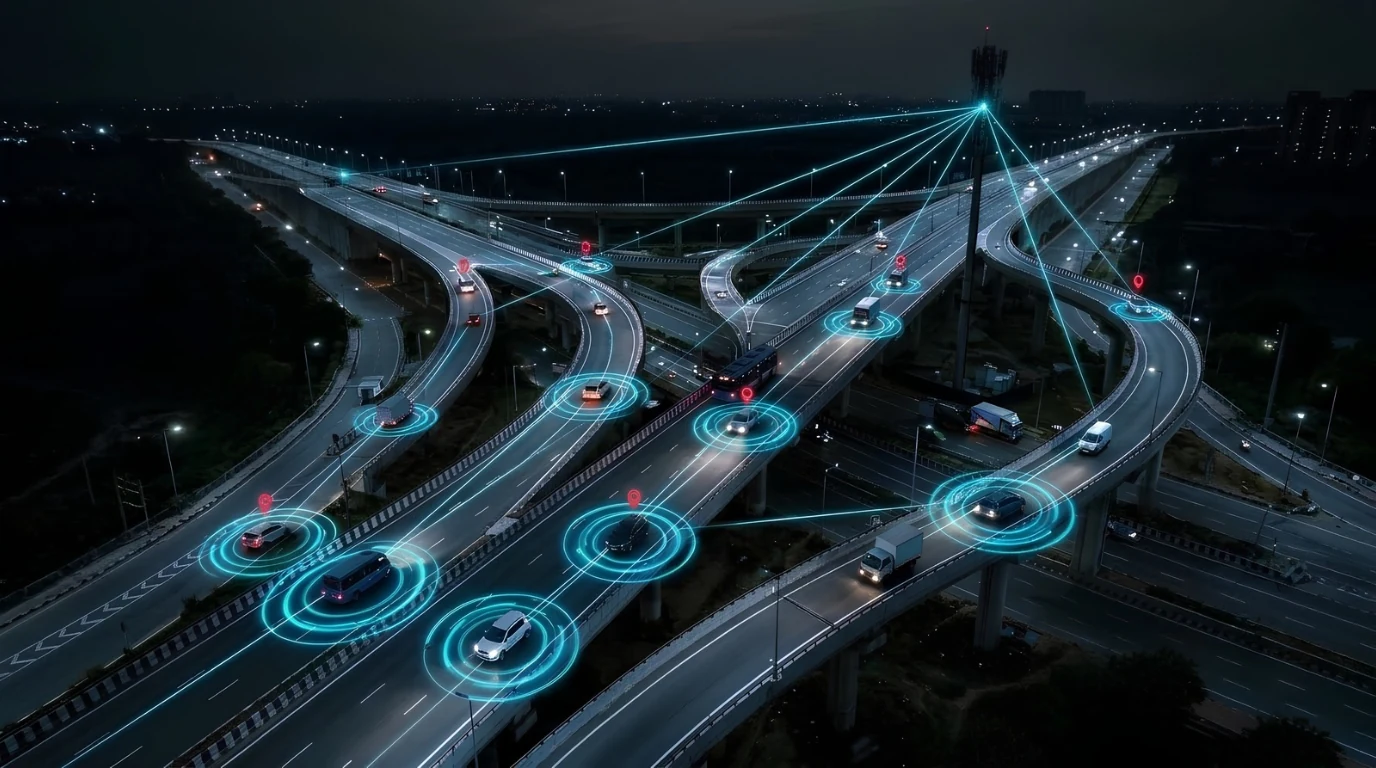
Connected vehicle technology lets a vehicle send and receive data over wireless networks, linking it to the cloud, smartphones, other vehicles, roadside infrastructure, and pedestrians. It powers everyday features such as live location, remote lock and unlock, crash alerts, vehicle health reports, and over-the-air software updates.
This guide explains how connected vehicle technology works, the types of vehicle communication known as V2X, the ways a vehicle can be connected, connected car examples in India, and what the technology means for fleets.
What this guide covers
- What is connected vehicle technology?
- How connected vehicle technology works
- Types of connected vehicle communication (V2X)
- Ways a vehicle can be connected
- Connected vehicle features and examples
- Connected car technology in India
- Benefits for fleets
- Challenges
- FAQs
What Is Connected Vehicle Technology?
A connected vehicle is any car, truck, bus, or two-wheeler that can exchange data with the outside world. Connected vehicle technology is the combination of hardware, networks, and software that makes this possible.
For drivers, it means features in a mobile app, such as finding a parked car or switching on the air conditioning before a trip. For businesses, it means seeing every vehicle in a fleet on one dashboard, with its location, condition, and driving data. For road authorities, it opens the door to vehicles that warn each other about hazards and traffic signals that talk to cars.
Connected vehicles vs. autonomous vehicles
The two terms are often mixed up. A connected vehicle shares data; an autonomous vehicle drives itself using cameras, radar, and other sensors. Most connected vehicles on the road today are driven by people. Connectivity does help autonomous vehicles, though, because it gives them information beyond what their own sensors can see, such as a stalled truck around a blind corner.
How Does Connected Vehicle Technology Work?
Every connected vehicle system has the same basic building blocks:
- Vehicle data sources: the vehicle's internal network, which carries engine, speed, and fault data, plus GPS and any extra sensors such as cameras or cargo temperature probes.
- Telematics control unit: a small computer with a GPS receiver and a cellular modem with a SIM or eSIM. It may be fitted at the factory or added later.
- Connectivity: mobile networks (4G today, and increasingly 5G) for links to the cloud; short-range radio for direct links to nearby vehicles and infrastructure; and Bluetooth or Wi-Fi for phones inside the vehicle.
- Cloud platform: servers that store and process the data, apply rules, and send commands back to the vehicle.
- Apps and dashboards: the mobile apps, web dashboards, and integrations through which drivers, fleet managers, and other systems use the data.
In practice, the process runs in a continuous loop:
- Collect: the telematics unit reads location, speed, ignition status, and vehicle data.
- Transmit: it sends this data over the mobile network every few seconds, or exchanges messages directly with nearby vehicles and roadside units.
- Process: cloud software analyses the data, for example checking for speeding, fault codes, or a vehicle leaving a geofenced area.
- Act: the result reaches people and systems as an app notification, a dashboard alert, a report, or a remote command such as locking the doors.
Types of Connected Vehicle Communication (V2X)
Connected vehicles communicate in several directions. Together, these are known as vehicle-to-everything, or V2X.
- Vehicle-to-network (V2N): the vehicle and the cloud, over mobile networks. Example: live tracking in a fleet dashboard, remote lock from an app, and over-the-air updates.
- Vehicle-to-vehicle (V2V): vehicles near each other, directly. Example: a warning that a car two vehicles ahead has braked hard.
- Vehicle-to-infrastructure (V2I): the vehicle and roadside equipment. Example: a traffic signal telling the car how long until it turns green.
- Vehicle-to-pedestrian (V2P): the vehicle and people on foot or on bicycles, through their phones or devices. Example: an alert that a cyclist is about to cross from behind a parked bus.
Today, most connected services, including fleet tracking and carmaker apps, use vehicle-to-network communication over ordinary mobile networks. Direct V2V and V2I communication is still at an early stage, with pilot projects and gradual roll-outs in several countries.
DSRC vs. C-V2X
Two technologies compete for direct vehicle communication. Dedicated short-range communications (DSRC) is based on a Wi-Fi standard, while cellular V2X (C-V2X) is based on mobile network standards and can also use 4G and 5G networks. The industry has been moving towards C-V2X. In the United States, for example, the Federal Communications Commission has set aside the upper 30 MHz of the 5.9 GHz band for C-V2X and given DSRC a two-year phase-out, under final rules adopted in November 2024.
Ways a Vehicle Can Be Connected
- Embedded: a telematics unit and SIM built in at the factory. Good for new cars with carmaker apps and over-the-air updates.
- Tethered: built-in hardware that uses the driver's phone for its internet connection. Good for lower-cost models that rely on the phone's data plan.
- Integrated: the phone runs the features and mirrors them on the car's screen. Good for navigation, music, and calls through phone mirroring.
- Aftermarket: a device plugged into the OBD-II port or wired into the vehicle. Good for fleets with mixed makes and ages, and older vehicles.
For businesses, the aftermarket option matters most. One aftermarket platform can connect a fleet of different brands and ages to the same dashboard, which is rarely possible with each carmaker's own app.
Connected Vehicle Features and Examples
- Live location and geofencing: see where a vehicle is and get alerts when it enters or leaves a set area.
- Remote functions: lock and unlock doors, start the air conditioning, or immobilise a vehicle from an app.
- Crash detection and emergency calls: some systems automatically alert emergency services after a serious crash. In the European Union, the eCall system has been required on new car and light van models since 31 March 2018.
- Vehicle health alerts: engine fault codes, battery voltage, and service reminders, which help with fleet maintenance.
- Over-the-air (OTA) updates: carmakers fix bugs and add features through software updates, without a workshop visit.
- Driving behaviour scores: data on speeding, harsh braking, and acceleration, used for driver coaching and usage-based insurance.
- Navigation and live traffic: routes that adjust to current traffic conditions.
- In-car connectivity: Wi-Fi hotspots, streaming, and voice assistants for passengers.
Connected Car Technology in India
Connected features have spread quickly in the Indian car market. Many carmakers now offer embedded systems with a companion app, such as Tata Motors' iRA, Hyundai's Bluelink, MG's i-SMART, and Mahindra's AdrenoX. Common features include live location, geofencing, remote lock and climate control, vehicle health alerts, and emergency assistance. Many carmakers offer these services free for an initial period and then charge a subscription, so check the terms for each model.
Public transport is connected by regulation. Buses, taxis, and other public service vehicles must carry an AIS 140 vehicle location tracking device with emergency buttons, which sends location data to state command and control centres.
Commercial fleets in India are usually connected through aftermarket telematics, because a single fleet often mixes trucks, vans, and cars from several brands, many of them without factory-fitted connectivity.
Benefits of Connected Vehicles for Fleets
- Full visibility: every vehicle's location, status, and trip history on one screen.
- Safer driving: alerts and scores for speeding, harsh braking, and fatigue, especially when combined with a driver monitoring system.
- Lower running costs: less fuel wasted on idling and detours, and maintenance based on actual distance and engine data.
- More uptime: engine fault alerts catch problems before they turn into breakdowns.
- Theft protection: geofence and after-hours alerts, towing detection, and remote immobilisation on supported devices.
- Better customer service: accurate arrival times and delivery records.
- Better decisions: data on vehicle use that shows where to add, move, or retire vehicles.
Challenges of Connected Vehicle Technology
- Cybersecurity: any connected device can be a target. In Europe, UN Regulations R155 and R156 now require carmakers to manage cybersecurity risks and software updates for new vehicles. Fleets should choose devices with secure, encrypted communication and keep their firmware up to date.
- Data privacy: location and driving data can be personal data. In India, the Digital Personal Data Protection Act, 2023 applies, so tell drivers what is collected and why.
- Network coverage: rural roads and remote sites can have weak signal. Good devices store data offline and upload it when the connection returns.
- Standards and compatibility: carmakers use different platforms and direct V2X standards are still settling, which is why many fleets prefer one brand-independent platform.
- Cost: hardware, data plans, and subscriptions add up, so measure the savings against a clear starting point.
The Future of Connected Vehicles
Faster 5G networks, wider use of C-V2X, and vehicles whose features are defined more and more by software will make connected vehicles more capable over the next few years. Expect more over-the-air features, richer safety warnings, and closer links between vehicles, traffic systems, and electric vehicle charging.
How Anstel Connects Your Fleet
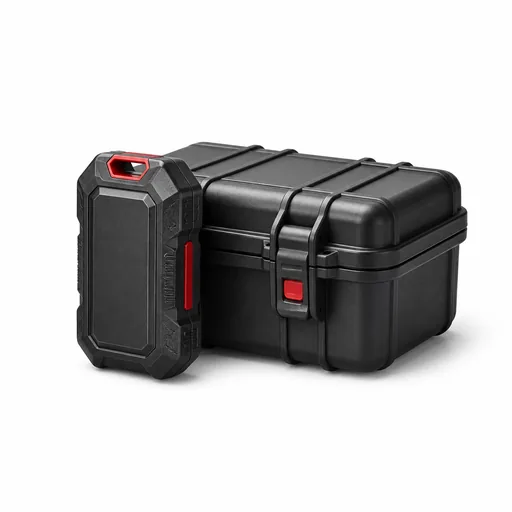
Anstel Connected Fleet turns any vehicle into a connected vehicle. The OBD-II plug-and-track device installs in minutes and reads engine data such as fault codes, coolant temperature, and engine load, while the wired 4G tracking device suits trucks and buses and supports features such as crash and towing detection and immobiliser control. Both feed one dashboard with live tracking, alerts, driving behaviour, maintenance tools, and APIs for integration with your other systems.
Frequently Asked Questions
What is connected vehicle technology?
Connected vehicle technology lets a vehicle send and receive data over wireless networks, connecting it to the cloud, smartphones, other vehicles, roadside infrastructure, and pedestrians. It enables features such as live location, remote lock and unlock, crash alerts, vehicle health reports, and over-the-air software updates.
How does connected vehicle technology work?
A telematics unit in the vehicle collects data from GPS and the vehicle's own systems, then sends it over a mobile network, or directly to nearby vehicles and infrastructure over short-range radio. Cloud software processes the data and returns it as alerts, app features, dashboards, and remote commands.
What are the types of connected vehicle communication?
The main types are vehicle-to-network (V2N), which links the vehicle to the cloud over mobile networks; vehicle-to-vehicle (V2V); vehicle-to-infrastructure (V2I), such as traffic signals; and vehicle-to-pedestrian (V2P). Together they are called vehicle-to-everything, or V2X.
What is the difference between connected and autonomous vehicles?
A connected vehicle shares data with other devices and systems, while an autonomous vehicle uses sensors and software to drive itself. A car can be connected without being autonomous, and connectivity helps autonomous vehicles by giving them information beyond what their own sensors can see.
What are examples of connected car technology in India?
Many carmakers in India offer embedded connected car systems, such as Tata Motors' iRA, Hyundai's Bluelink, MG's i-SMART, and Mahindra's AdrenoX. Typical features include live location, geofencing, remote lock and climate control, vehicle health alerts, and emergency assistance through a mobile app.
Can an older vehicle become a connected vehicle?
Yes. An aftermarket telematics device, either plugged into the vehicle's OBD-II port or wired into its electrical system, can add live tracking, alerts, driving behaviour monitoring, and engine data to almost any vehicle, regardless of its make or age.
Getting Started with Connected Vehicles
Connected vehicle technology is no longer only for new luxury cars. Any vehicle can share its location, condition, and driving data, and for fleets that data is the starting point for safer driving, lower costs, and better service.
Get in touch with the Anstel team to see how quickly your vehicles can be connected.