

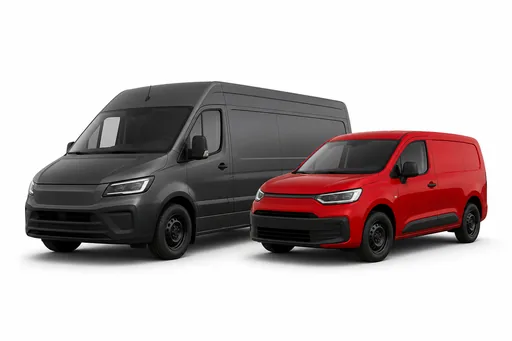
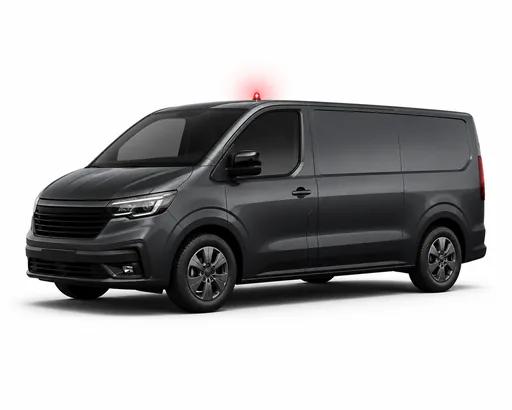
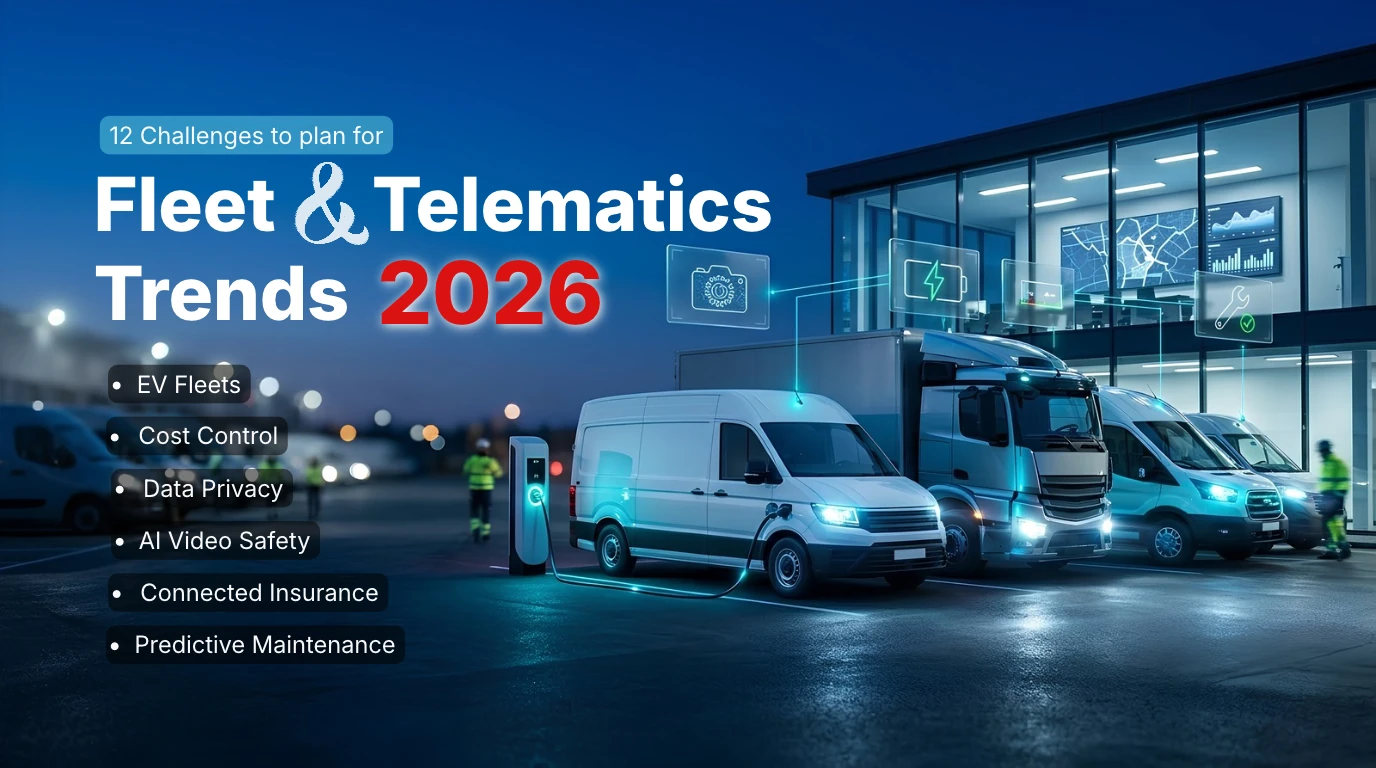
The biggest fleet management and telematics trends for 2026 are tighter cost control, AI video and driver safety, predictive maintenance, fleet electrification, and new rules on data and compliance. Behind all of them is the same shift: fleets are moving from simply tracking where vehicles are to using connected data to cut costs, prevent accidents, and plan ahead.
The last few years changed fleet operations for good. Supply chain shortages, rising fuel and repair costs, driver shortages, and the move to remote work pushed fleets to rely on software and live data. Those changes are now permanent. This guide covers the 12 trends shaping fleets in 2026, what each one means in practice, and how to prepare.
What this guide covers
- 12 fleet management trends for 2026
- How to get your fleet ready
- How Anstel helps
- FAQs
12 Fleet Management and Telematics Trends for 2026
1. Tighter Cost Control
Fuel, insurance, repairs, and wages have all risen, and fleets can't control most fixed costs. The focus is on variable costs: fuel use, idling, unnecessary kilometres, overtime, and vehicles that sit unused. Telematics data shows exactly where money goes, and route optimisation, idle alerts, and fuel monitoring turn that data into savings.
2. AI Video Telematics and Driver Safety
AI dashcams and driver monitoring cameras are becoming standard for commercial fleets. They detect risky events, such as harsh braking, tailgating, phone use, and fatigue, warn the driver in real time, and automatically flag the clips managers need to see. Video also protects drivers against false claims after an incident. Our separate article "AI in Fleet Management" in the Anstel Knowledge Center covers this in detail.
3. Predictive Maintenance
New vehicles and parts are more expensive and can take longer to arrive, so keeping existing vehicles on the road matters more than ever. Engine data and fault codes from the vehicle, combined with usage patterns, let fleets fix problems before they cause a breakdown, and service vehicles based on real wear rather than fixed intervals.
4. Fleet Electrification
Electric vehicles are moving into the mainstream. According to the International Energy Agency's Global EV Outlook 2026, more than 20 million electric cars were sold in 2025, a quarter of all new cars, and 9% of trucks sold worldwide were electric. In India, sales of electric two- and three-wheelers grew more than 30% year on year in the first quarter of 2026. For fleets, telematics is what makes electric vehicles practical: it tracks battery charge, range, energy use per kilometre, and charging, and shows which routes suit electric vehicles best.
5. OEM Telematics and Mixed Fleets
More vehicles now leave the factory with built-in telematics. Fleets can use this manufacturer data alongside aftermarket trackers, so mixed fleets of different makes and ages can be managed in one platform. The challenge is bringing all these data sources together in one place.
6. New Connectivity
Older 2G and 3G networks have been switched off in many countries, including Australia, and devices that relied on them stopped working. Modern trackers use 4G, LTE-M, and NB-IoT, with 5G supporting video-heavy features. Fleets are checking their devices and choosing hardware built for long-term networks.
7. Cloud and Mobile Fleet Management
Fleet management no longer depends on being in the office. Managers dispatch jobs, review alerts, and run reports from a browser or phone, while drivers use apps for job lists, navigation, inspections, and digital paperwork. This makes operations faster and more flexible, especially for fleets spread across several sites.
8. Faster Delivery Expectations
Online shopping and quick commerce have raised customer expectations. People expect same-day or next-day delivery, accurate arrival times, and live updates if anything changes. Fleets are using route optimisation, live ETAs, and digital proof of delivery to keep up.
9. Data Privacy and Compliance
Fleet data includes driver locations, camera footage, and personal details, and privacy laws are getting stricter. In India, the Digital Personal Data Protection Act 2023 and its Rules, notified in November 2025, set clear duties on how this data is collected, secured, and deleted. Regulations such as AIS 140 for public service vehicles in India also require certified tracking devices and emergency buttons.
10. Telematics-Based Insurance
Insurers increasingly use driving data to price premiums and settle claims. In India, the insurance regulator IRDAI allowed telematics-based motor insurance add-ons, such as pay as you drive and pay how you drive, in July 2022. Fleets with good safety data are in a stronger position to negotiate premiums.
11. Right-Sized Fleets
Many fleets shrank or grew quickly during the pandemic. Now they are using utilisation data, such as days used, kilometres, and idle time, to keep exactly the vehicles and drivers they need, and to spot vehicles that can be sold, shared, or replaced with electric models.
12. ADAS and Autonomy
Advanced driver assistance systems (ADAS), such as forward collision and lane departure warnings, are becoming common in new vehicles and aftermarket cameras. Fully autonomous trucks and vans are still being tested, but the data and connectivity they depend on are being built into fleets today.
How to Get Your Fleet Ready
- Audit where you are. List your vehicles, devices, software, and the data you already collect, and identify your biggest costs and risks.
- Prioritise. Pick the two or three trends that address your biggest problems, such as fuel costs, accidents, or breakdowns, rather than trying to do everything.
- Pilot and measure. Test new technology on a small group of vehicles and measure the results against clear targets.
- Scale and review. Roll out what works, train drivers and managers, and review results every quarter.
For a full guide to the features to look for in a telematics system, see our article "What Is Fleet Telematics? Latest Features, Compliance and Cost Benefits" in the Anstel Knowledge Center.
How Anstel Helps
Anstel's Autonautics platform brings together fleet tracking, AI cameras, fuel management, maintenance, last mile delivery, and asset monitoring in one system, and works with hardware from leading device makers. Anstel works with businesses and telecom operators across Australia, India, New Zealand, Fiji, and Papua New Guinea to help fleets put these trends into practice.
Frequently Asked Questions
What are the biggest fleet management trends in 2026?
The main trends are tighter cost control, AI video telematics and driver safety, predictive maintenance, fleet electrification, OEM telematics for mixed fleets, new connectivity, cloud and mobile fleet management, faster delivery expectations, stricter data privacy rules, telematics-based insurance, right-sized fleets, and ADAS.
What is the future of telematics?
Telematics is moving from tracking to prediction. AI will increasingly analyse data from vehicles, cameras, and sensors to predict accidents, breakdowns, and delays before they happen, and telematics will be built into more vehicles from the factory.
How is AI used in fleet management?
AI is used in dashcams and driver monitoring to detect risky behaviour, in predictive maintenance to spot faults early, in route optimisation and arrival times, and in software that highlights the issues managers most need to act on.
How does telematics help electric fleets?
Telematics tracks battery charge, range, energy use, and charging for electric vehicles, and shows which routes and duty cycles suit them. This helps fleets plan the switch to electric vehicles and run them efficiently.
How did the pandemic change fleet management?
It accelerated the move to cloud software, remote management, and mobile apps, raised expectations for fast delivery, exposed supply chain risks for vehicles and parts, and made fleets more focused on cost control and data.
How can fleets reduce costs in 2026?
Fleets can cut fuel use and idling, optimise routes, keep vehicles running with predictive maintenance, improve driver behaviour with coaching, right-size the fleet using utilisation data, and use safety data to negotiate insurance premiums.
Turning Trends into Results
None of these trends is about technology for its own sake. Each one helps fleets spend less, keep drivers safer, and serve customers better. The fleets that benefit most will start with their biggest problems, measure the results, and build from there.
Get in touch with the Anstel team to see which of these trends would make the biggest difference to your fleet.