







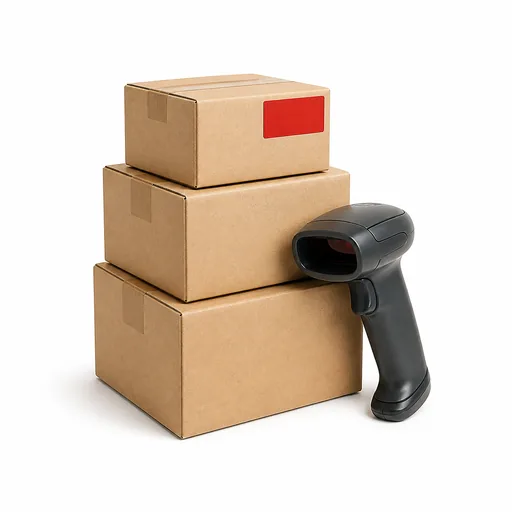

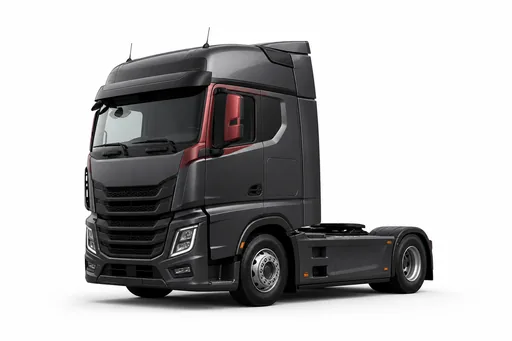
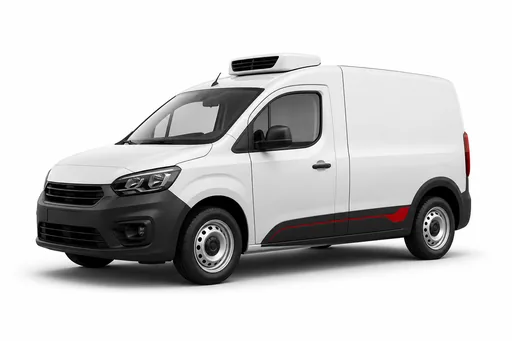
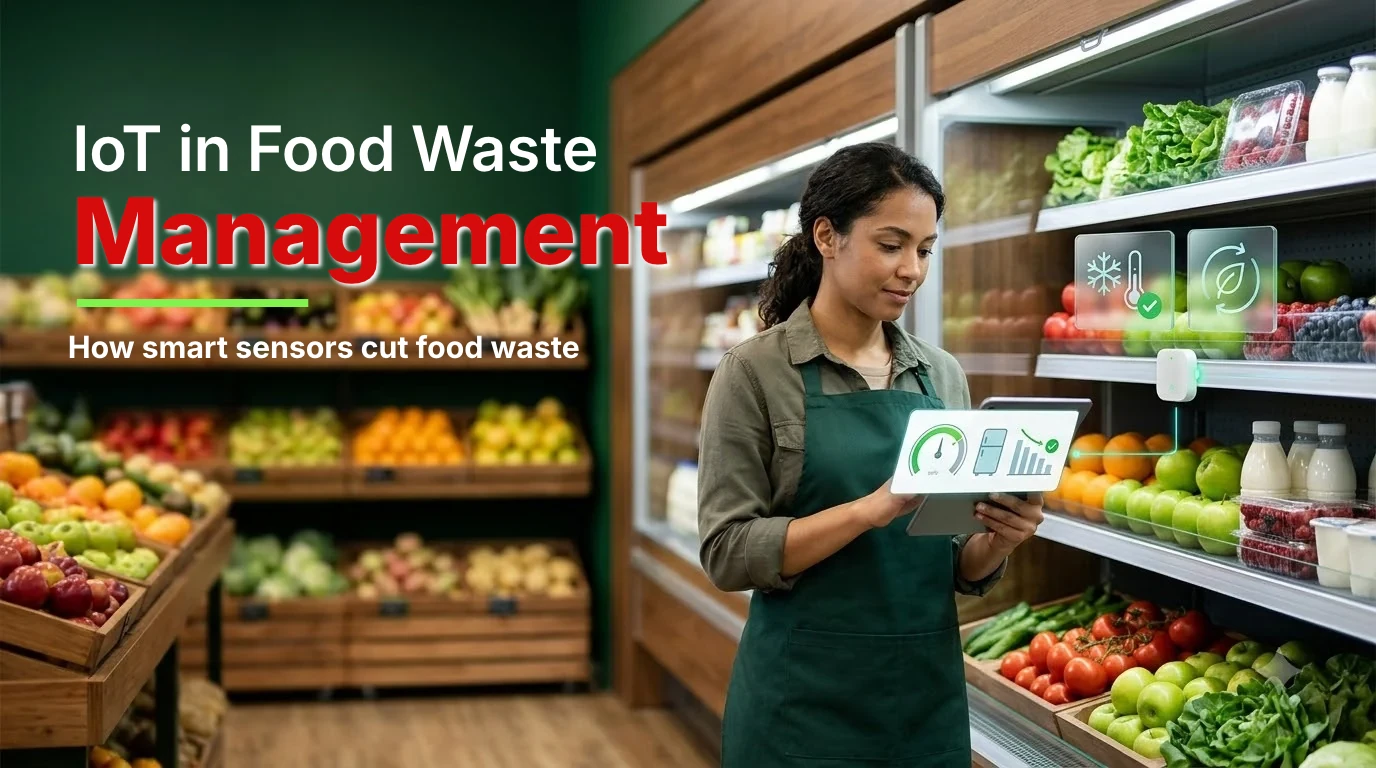
IoT reduces food waste by watching food conditions around the clock and warning people before food spoils. Wireless sensors track temperature, humidity, stock age, and door openings in farms, factories, warehouses, trucks, shops, and kitchens. When something goes wrong, such as a fridge failing or a truck running warm, staff get an instant alert and can save the food. Over time, the data shows exactly where and why food is wasted, so the cause can be fixed for good.
The scale of the problem is huge. The UN Environment Programme's Food Waste Index Report 2024 found that 1.05 billion tonnes of food were wasted in 2022 by households, food service, and retail, about 19% of the food available to consumers. The Food and Agriculture Organization estimates that a further 13% of food is lost between harvest and retail. This guide explains where food is wasted, how IoT food waste management works at each stage, and how businesses can start.
What this guide covers
- How food is wasted
- How IoT prevents food waste
- IoT at each stage of the food supply chain
- Benefits of a food waste management system
- How to reduce food waste in your business
- How Anstel helps
- FAQs
How Food Is Wasted
Food loses quality at every step from farm to plate. Fresh produce, dairy, meat, seafood, and frozen foods are especially sensitive: a few hours at the wrong temperature or humidity can shorten their shelf life or make them unsafe. The most common causes of food loss and waste in the supply chain are:
- Temperature abuse: fridges, freezers, and refrigerated trucks that run too warm, often without anyone noticing until the food has spoiled.
- Humidity and handling: produce that dries out, sweats, or bruises in storage and transport.
- Poor stock rotation: older stock left at the back while newer stock is sold first, so it passes its use-by date.
- Over-ordering and over-production: buying or cooking more than is needed because demand is not measured.
- Delays: trucks held up at loading bays or on the road, eating into shelf life.
- Equipment breakdowns: a failed cold room or vehicle fridge unit can ruin a whole load overnight.
How IoT Prevents Food Waste
Checking food conditions by hand is slow, easy to forget, and only shows a snapshot. IoT replaces manual checks with continuous, automatic monitoring. Small wireless sensors send readings every few minutes to a cloud platform, which compares them with safe limits and alerts the right person the moment something goes wrong. Because every reading is stored, managers can also see trends, compare sites, and prove that food was kept safe.
- Sense: sensors measure temperature, humidity, door openings, and stock levels around the clock.
- Alert: when a reading crosses a set limit, staff receive an instant alert by app, SMS, or email.
- Act: the team moves the stock, fixes the fridge, or reroutes the truck before the food is lost.
- Learn: the data shows recurring problems, such as a fridge that keeps failing or a route that runs late, so the root cause can be fixed.
IoT at Each Stage of the Food Supply Chain
Farms and Harvest
Sensors in fields, silos, and packhouses monitor soil moisture, grain temperature, and storage conditions, so crops are harvested at the right time and stored without rotting or attracting pests.
Food Processing
Sensors on production lines and machinery track temperatures, run times, and faults. This shows where product is lost during processing and helps prevent spoiled batches caused by equipment problems.
Warehouses and Cold Storage
Temperature and humidity sensors in cold rooms and freezers send alerts if conditions drift. Stock data, such as expiry dates and how long items have been stored, helps teams send the oldest stock out first and spot overstocked lines.
Transport and Cold Chain Logistics
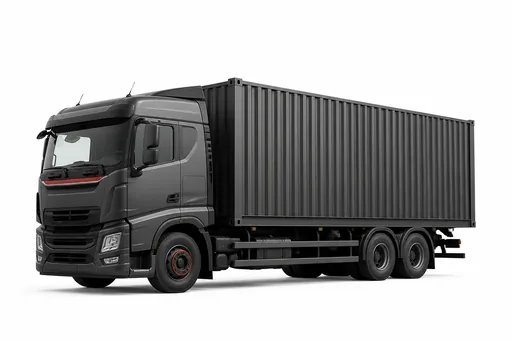
Refrigerated trucks and vans carry sensors that report the temperature of the load, door openings, and the vehicle's live location. If a fridge unit fails or a load starts to warm up, the driver and the depot know straight away. Our separate article "Cold Chain Monitoring for Food and Beverage Logistics" in the Anstel Knowledge Center covers this stage in detail.
Retail
Supermarkets and convenience stores use sensors in display fridges and freezers to catch faults, especially overnight when stores are closed. Expiry tracking helps staff discount items before they go out of date instead of throwing them away.
Restaurants, Hotels, and Food Service
Food service is the second-largest source of food waste after households. Kitchens use fridge and freezer sensors to protect stock, and smart scales or waste bins that record what is thrown away, and why. Seeing that, for example, a buffet dish is binned every evening helps chefs adjust portions and prep quantities.
Benefits of an IoT Food Waste Management System
- Less spoiled food: problems are caught within minutes instead of hours or days.
- Lower costs: every load or fridge saved is stock you don't have to replace.
- Food safety compliance: automatic, time-stamped temperature records support food safety plans and audits, such as HACCP-based programmes, and requirements from regulators like FSSAI in India and FSANZ in Australia.
- Less manual work: staff no longer have to fill in temperature logs by hand.
- Better decisions: data shows which sites, products, routes, or equipment cause the most waste.
- Sustainability: less food waste means lower emissions and a stronger sustainability record for customers and investors.
How to Reduce Food Waste in Your Business
- Measure first. Record what is wasted, where, and why for a few weeks. You can't reduce what you don't measure.
- Monitor your cold chain. Put sensors in every fridge, freezer, cold room, and refrigerated vehicle, with alerts going to someone who can act.
- Rotate stock properly. Use first-expired, first-out, and track expiry dates digitally.
- Order and prepare to demand. Use sales and waste data to match orders and prep quantities to what is actually used.
- Maintain equipment. Service fridges, freezers, and vehicle fridge units on schedule, and fix recurring faults the data reveals.
- Redistribute surplus. Partner with food banks and charities for safe surplus food, and compost or recycle the rest.
- Train and involve staff. Share the waste numbers with teams and set simple targets.
How Anstel Helps
Anstel's solutions bring food storage and transport into one platform. Wireless temperature sensors monitor freezers, coolers, and cold rooms around the clock and send early warnings when temperatures go out of range. In vehicles, Anstel Connected Fleet combines live GPS tracking with temperature and door sensors, geofence alerts at pickups and drops, driver behaviour monitoring, and maintenance reminders, with a full history of readings for every trip.
Frequently Asked Questions
How does IoT help reduce food waste?
IoT sensors monitor temperature, humidity, door openings, and stock levels around the clock and alert staff the moment conditions go outside safe limits. This lets teams save food before it spoils, and the data shows where and why waste happens so the causes can be fixed.
What is a food waste management system?
A food waste management system is a combination of tools and processes that measures, tracks, and reduces food waste. Modern systems use IoT sensors, smart scales, and software to monitor storage conditions, record what is thrown away, and report on waste by site, product, and cause.
How much food is wasted every year?
According to the UN Environment Programme's Food Waste Index Report 2024, 1.05 billion tonnes of food were wasted in 2022 by households, food service, and retail, about 19% of food available to consumers. The FAO estimates that around 13% of food is also lost between harvest and retail.
Where does most food waste happen?
Households produce the largest share, about 60% of the food waste measured by UNEP, followed by food service at about 28% and retail at about 12%. Further losses happen earlier in the supply chain, during harvest, storage, processing, and transport.
What sensors are used to prevent food spoilage?
The most common are wireless temperature sensors for fridges, freezers, and vehicles, humidity sensors for fresh produce, door sensors that detect doors left open, and GPS trackers that show where refrigerated loads are and how long they have been travelling.
How can restaurants reduce food waste?
Restaurants can measure what is thrown away and why, monitor fridges and freezers with sensors, rotate stock using first-expired, first-out, adjust prep quantities to demand, offer flexible portion sizes, and donate safe surplus food.
Every Alert Is Food Saved
Most food waste in the supply chain is not inevitable. It happens because nobody noticed a fridge failing, a truck running warm, or stock passing its date. IoT makes those problems visible in time to act, and gives businesses the data to stop them happening again.
Get in touch with the Anstel team to start monitoring your cold storage and refrigerated fleet.