


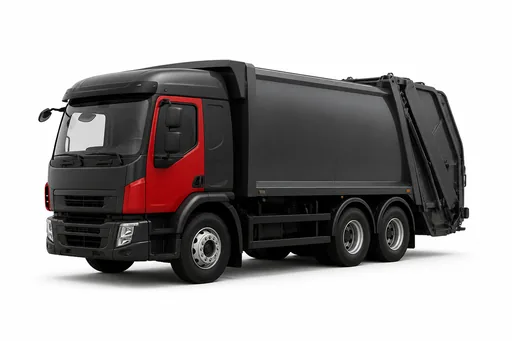
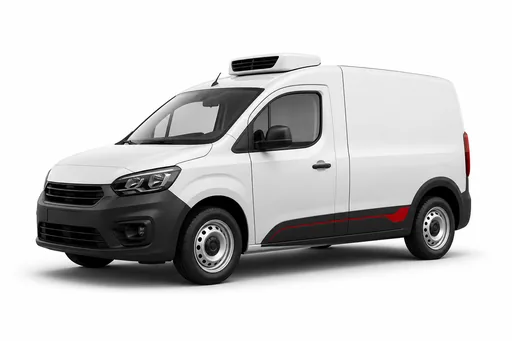
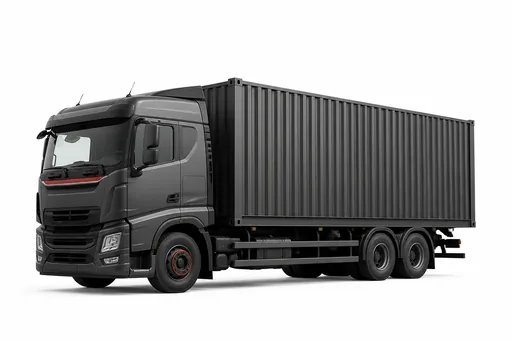
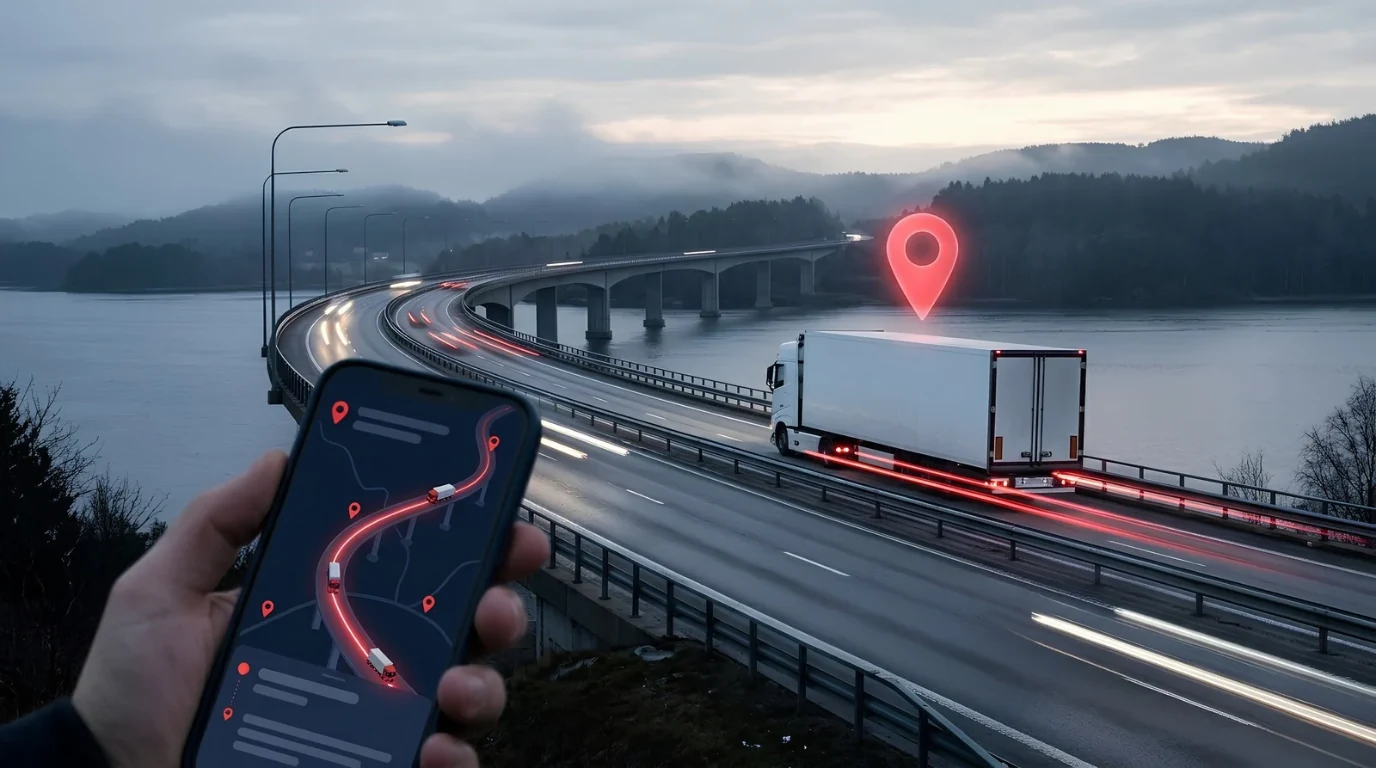
Connected fleet tracking improves supply chain management by showing where every vehicle and shipment is in real time. With that visibility, businesses can predict arrival times, fix delays before customers notice, plan better routes, cut fuel and idle costs, and get more trips out of every vehicle.
Road transport is often the least visible part of a supply chain, and one of the most expensive. In India, logistics cost 7.97% of GDP in 2023-24, according to an NCAER study for the Department for Promotion of Industry and Internal Trade, and fuel alone made up 42.1% of road freight costs. Small improvements on the road add up quickly.
This guide explains where fleet tracking fits in the supply chain, nine ways it improves performance, the KPIs it helps you measure, and how to get started.
What this guide covers
- What is fleet tracking in supply chain management?
- How fleet tracking works in logistics
- 9 ways fleet tracking improves the supply chain
- Supply chain KPIs to track
- Fleet tracking by industry
- How to get started
- Common challenges
- FAQs
What Is Fleet Tracking in Supply Chain Management?
Fleet tracking uses GPS devices fitted to vehicles to record their location, speed, route, and stops, and to send that data to software in real time. In a supply chain, it covers the road journeys between each stage, which are often called the first, middle, and last mile.
- First mile: pickups from suppliers and factories. Example: knowing when raw materials will reach the plant, so production can be planned around them.
- Middle mile: line-haul trips between plants, warehouses, and distribution centres. Example: spotting a truck stuck at a state border and rescheduling the unloading crew at the warehouse.
- Last mile: deliveries to stores, businesses, and homes. Example: giving customers an accurate delivery window and proof of when goods arrived.
Supply chain visibility is the wider goal of knowing where goods are at every stage. Warehouse systems track stock on the shelf; fleet tracking tracks it while it is on the move, which is where most delays and surprises happen.
How Fleet Tracking Works in Logistics
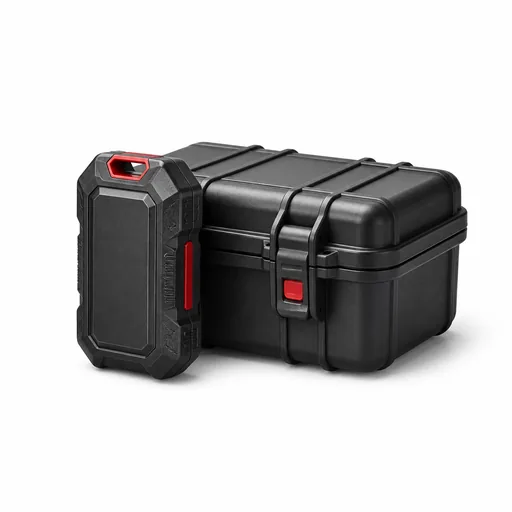
A tracking device in each vehicle works out its position from satellite signals and sends it, along with data such as ignition status, speed, and idling, over the mobile network to a cloud platform. Optional sensors add details such as cargo temperature and door status. The platform shows everything on a live map, sends alerts, and builds reports.
9 Ways Fleet Tracking Improves Supply Chain Management
1. Real-time shipment visibility
Instead of a status that only says "in transit", managers see exactly where each vehicle is and how fast it is moving. Geofences around warehouses and customer sites record automatic arrival and departure times, so everyone knows when goods left, where they are now, and when they were delivered.
That timestamped trip history also works as proof of delivery. When a customer says a load arrived late or never arrived, you can replay the trip and show exactly when the vehicle reached their site.
2. Accurate arrival times and fewer delays
Live location makes arrival times far more reliable. When a vehicle is held up by traffic, a breakdown, or a long wait at a previous stop, the team sees it straight away and can warn the customer, reassign the load, or reschedule the next job.
3. Smarter route planning
Trip history shows the routes drivers actually take, how long each stop lasts, and where vehicles regularly lose time. Planners use this to build better routes, avoid known congestion points, combine loads that are going the same way, and spot drivers who take unnecessary detours.
4. Lower fuel costs
Fuel is the largest single cost in road transport. Fleet tracking cuts fuel waste by flagging long idling, speeding, harsh acceleration, detours, and trips made outside working hours. Drivers who get regular feedback on these habits tend to drive more economically.
5. Shorter loading and unloading times
Time spent waiting at docks and warehouses, often called dwell time, is one of the most common hidden delays in a supply chain. Geofence arrival and departure times show how long vehicles really wait at each site. With that data you can find the slowest locations, schedule dock slots, and back up detention charges with evidence.
6. Better vehicle utilisation
Tracking data shows how far each vehicle travels, how many hours it works, and how long it sits idle. Managers can move under-used vehicles to busier routes, plan return loads to cut empty running, and fit more trips into each day before deciding to buy more vehicles.
7. Cargo security and theft prevention
Alerts for unauthorised stops, route deviations, movement outside working hours, and vehicles leaving a geofenced area help catch theft and fuel pilferage early. Door sensors record when the cargo area was opened, and towing detection flags a vehicle being moved with the ignition off. If a vehicle is stolen, its live location can be shared with the police.
8. Cold chain monitoring
For food, dairy, and pharmaceutical shipments, temperature and humidity sensors in the cargo area send readings through the tracking device. The system raises an alert as soon as a reading leaves the safe range, so the driver or team can act before the load is spoiled, and it keeps a temperature record for each trip.
9. Fewer breakdowns and safer driving
A breakdown on the highway stalls everything behind it. Distance and engine-hour data from tracking devices trigger services on time as part of a fleet maintenance program, and driving behaviour scores help managers stop reckless driving, which means fewer accidents, insurance claims, and delayed loads.
Supply Chain KPIs Fleet Tracking Helps You Measure
Fleet tracking turns everyday trips into numbers you can manage. These are the most useful ones for a supply chain team:
- On-time delivery rate: how reliably you meet promised delivery times. Deliveries made on time ÷ total deliveries × 100
- Arrival time accuracy: how close your estimated arrival times are to reality. Average gap between estimated and actual arrival
- Average dwell time: how long vehicles wait at each warehouse or customer site. Total time inside a site's geofence ÷ number of visits
- Vehicle utilisation: how much of the available time vehicles are working. Hours in use ÷ hours available × 100
- Empty running: how much distance is driven without a load. Empty km ÷ total km × 100
- Fuel cost per km: how efficiently vehicles use fuel. Total fuel cost ÷ km driven
- Idle time: how much engine-on time is spent standing still. Idle hours ÷ engine-on hours × 100
- Temperature excursions: how often cold chain loads leave the safe range. Trips with an excursion ÷ total cold chain trips × 100
Fleet Tracking for Different Supply Chains
- FMCG and retail distribution: track deliveries to distributors and stores, and measure waiting times at retailer warehouses.
- E-commerce and courier: give customers accurate delivery windows and keep a record of every drop.
- Pharma, food, and dairy: monitor cargo temperature and door openings throughout each trip.
- Manufacturing: follow inbound parts so production lines are not left waiting, especially in just-in-time operations.
- Petroleum and hazardous goods: check that tankers stay on approved routes and do not make unauthorised stops.
- Construction and mining: track material deliveries and equipment movements between remote sites.
How to Get Started with Fleet Tracking for Your Supply Chain
- Set clear goals. Pick two or three problems to solve first, such as late deliveries, high fuel costs, or long waiting times at warehouses, and choose the KPIs that measure them.
- Choose the right hardware. Plug-in OBD devices suit vans and cars, hardwired devices suit trucks and buses, and battery-powered trackers suit trailers and containers. Add sensors where you need them, such as temperature probes for cold chain loads.
- Map your locations. Create geofences around warehouses, plants, distribution centres, and major customer sites so arrival and departure times are recorded automatically.
- Set useful alerts. Start with a few that matter, such as route deviation, long idling, after-hours movement, and temperature limits, then add more once the team is comfortable.
- Connect your systems. Use the platform's API to send tracking data to your ERP, transport management, or order management software, so arrival times and delivery records flow into the systems your team already uses.
- Bring drivers on board. Explain what is tracked and why, and use the data for coaching and recognition, not only for catching mistakes.
- Review the numbers every month. Compare your KPIs with the starting point and adjust routes, schedules, and alerts.
Common Challenges and How to Handle Them
- Driver concerns about privacy: be open about what is tracked, put it in a written policy, track work use only, and take legal advice on data protection rules where you operate.
- Too many alerts: alerts that nobody acts on get ignored. Start with a short list and assign each alert type to a named person.
- Gaps in mobile coverage: good tracking devices store data when there is no signal and upload it when the vehicle is back in coverage, so trip history stays complete.
- Data that stays in one system: tracking data is most valuable when it reaches dispatch, warehouse, and customer service teams, so plan integrations from the start.
- Mixed fleets and hired vehicles: use plug-in or battery-powered devices for vehicles you do not own, or ask transport partners to share tracking data as part of the contract.
How Anstel Connected Fleet Supports Supply Chains
Anstel Connected Fleet gives supply chain and fleet teams live tracking, geofences, real-time alerts, driving behaviour monitoring, and Replay and Rewind trip history in one dashboard. Bluetooth sensors monitor cargo temperature, humidity, movement, and door status for cold chain loads, and APIs are available for integration with third-party systems.
Frequently Asked Questions
How does fleet tracking improve supply chain management?
Fleet tracking shows where every vehicle and shipment is in real time. That lets businesses predict arrival times, spot delays early, plan better routes, cut fuel and idle costs, reduce waiting time at warehouses, use vehicles more fully, and protect cargo, which together make the supply chain faster, cheaper, and more reliable.
What is the role of GPS tracking in logistics?
GPS tracking gives logistics teams the live location, speed, route, and stop history of every vehicle. They use it to dispatch the nearest vehicle, give customers accurate arrival times, prove when goods were delivered, detect route deviations or unauthorised stops, and measure performance such as on-time delivery and vehicle utilisation.
What is real-time visibility in the supply chain?
Real-time visibility means knowing the current location and status of goods at every stage, from the supplier to the customer. For road transport, it comes from GPS tracking devices and sensors in vehicles, which show where each shipment is, when it will arrive, and whether conditions such as temperature are within limits.
How does telematics help logistics companies?
Telematics combines GPS location with vehicle and sensor data, such as ignition, speed, idling, fuel use, driving behaviour, engine faults, and cargo temperature. Logistics companies use it to reduce fuel costs, schedule maintenance, coach drivers, monitor cold chain loads, and manage the whole fleet from one dashboard.
Can fleet tracking monitor temperature in cold chain shipments?
Yes. Temperature and humidity sensors in the cargo area can send readings through the vehicle's tracking device, and the system raises an alert if a reading goes outside the set range. Door sensors can also record when the cargo doors were opened, which helps protect food, dairy, and pharmaceutical loads.
How does GPS tracking reduce logistics costs?
GPS tracking reduces logistics costs by cutting fuel waste from idling, speeding, and detours; shortening waiting time at loading points; increasing the number of trips each vehicle completes; lowering theft losses; and preventing costly breakdowns through maintenance reminders based on actual distance travelled.
Bring Visibility to Every Mile
The road legs of a supply chain are where most delays, extra costs, and unhappy customers start. Fleet tracking makes those legs visible and measurable, so you can deliver on time, spend less on fuel and idle vehicles, and protect what you carry.
Get in touch with the Anstel team to see how it would work for your routes and vehicles.