




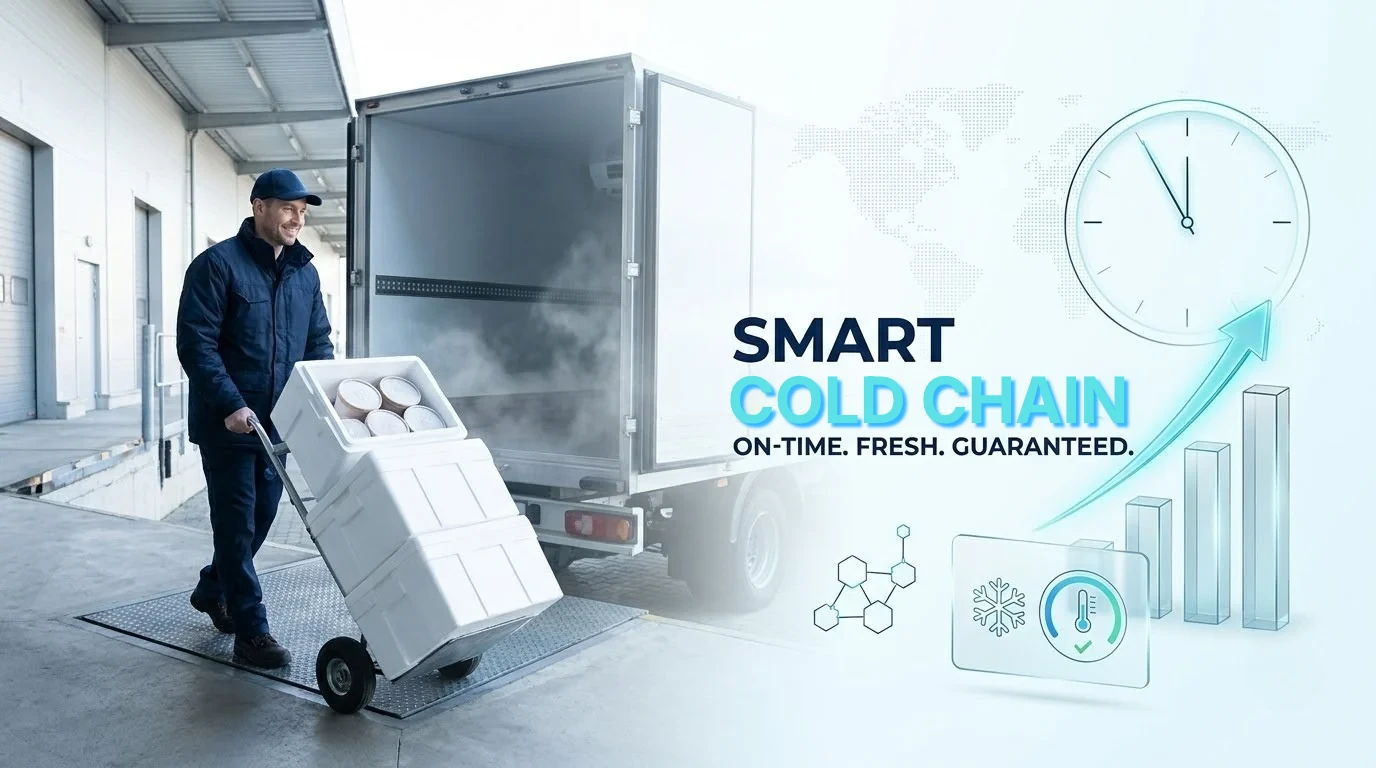
A leading ice cream manufacturer used Anstel's Connected Logistics solution, now part of the Autonautics platform, to protect its cold chain and keep deliveries on time through the Covid-19 pandemic. Round-the-clock temperature monitoring in warehouses and trucks, driver behaviour alerts, safer route planning, and vehicle health data helped the company prevent spoilage, keep drivers safe, reduce breakdowns, and get more from every vehicle.
This case study explains the challenges the company faced, how it used fleet telematics and cold chain monitoring to solve them, and the lessons any business moving temperature-sensitive goods can apply today.
Case study at a glance
- Customer: a leading manufacturer of ice cream and other FMCG products, including snacks and waffles.
- Challenge: protect product quality and deliver on time while the pandemic disrupted supply chains and put drivers at risk.
- Solution: Anstel Connected Logistics, now part of the Autonautics platform, covering warehouses, trucks, and drivers.
- Results: less spoilage and waste, faster response to problems, safer drivers, fewer breakdowns, and on-time deliveries.
The Challenge: Keeping a Cold Chain Moving in a Crisis
Ice cream is one of the least forgiving products to deliver. If the temperature rises too far in a cold store or a refrigerated truck, the product can be damaged and has to be thrown away, and a single fault can spoil a whole load. At the same time, retailers and customers expect stock to arrive on time, every time.
When the Covid-19 pandemic hit, the company faced extra pressure on every part of its supply chain:
- Product quality: warehouses and trucks had to be monitored around the clock, with fewer people on site because of physical distancing.
- Driver safety: drivers were still on the road every day, exposed both to road risks and to infection.
- Changing routes: containment zones and affected sites changed often, especially on interstate routes.
- Reliability: a truck breakdown could mean a late delivery and a spoiled load.
- Fleet use: the company needed a clear view of how each vehicle was being used to keep costs under control.
The Solution: Five Ways Autonautics Helped
1. Round-the-Clock Temperature Monitoring in Warehouses and Trucks
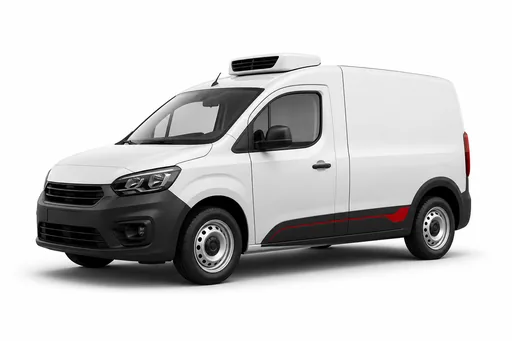
Smart sensors monitor temperatures 24 hours a day in both the company's warehouses and its trucks. When a reading goes outside the safe range, the system sends an alert straight away, so the team can find the cause and fix it before a small problem becomes a spoiled load. Remote monitoring was especially valuable during the pandemic, when fewer staff could be on site. The team can also see the status and position of stock in real time, which makes the whole supply chain more responsive.
2. Safer Driving with Real-Time Alerts
On-time delivery depends on efficient drivers and well-planned routes. Real-time alerts show managers how each truck is being driven and flag unsafe behaviour as it happens. With this data, the company can coach drivers, act early on risky patterns, and plan preventive steps instead of reacting after an incident.
3. Safer Routes During the Pandemic
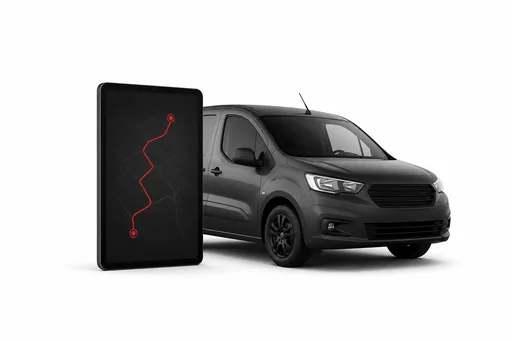
For drivers travelling interstate, the company used Connected Logistics to plan safer routes. Managers had access to maps showing containment zones and could mark affected warehouses, and this information was shared with drivers so they knew which places to avoid. The same approach applies to any temporary no-go area today, from road closures to flooding.
4. Fewer Breakdowns, More On-Time Deliveries
By monitoring the performance of every vehicle, the company identified problem areas such as the most common causes of truck breakdowns. Spotting these patterns allowed it to plan maintenance before faults happened, keeping trucks on the road and deliveries on schedule.
5. Getting More from Every Vehicle
Telematics data such as drive time, mileage, and days driven shows how each vehicle is really being used. The company uses these statistics to rotate vehicles for servicing without disrupting deliveries, understand how conditions affect trip distances, and identify vehicles that can be moved to other routes or uses as business needs change.
The Results
- Less spoilage and waste: temperature alerts in warehouses and trucks helped prevent products from spoiling.
- Faster response: problems are spotted and fixed straight away instead of being discovered at delivery.
- Less revenue leakage: safe storage, safe transport, and on-time delivery protected sales.
- Safer drivers: driving behaviour alerts and safer route planning reduced risk on the road.
- Reliable deliveries: maintenance based on breakdown patterns kept trucks on the road and customers supplied.
- Better use of the fleet: clear utilisation data helped manage downtime and costs.
What the Customer Said
"Thanks to Anstel's highly integrated secure data analytics, robust Euro made devices, and 24 x7 customer support, we are functioning like a well-oiled machine."
Leading ice cream manufacturer.
Lessons for Any Cold Chain Fleet
The pandemic has passed, but the lessons from this project apply to any business moving food, dairy, frozen goods, or medicines:
- Monitor storage and transport together. A product is only as safe as the weakest link, so cold stores and trucks need the same round-the-clock monitoring.
- Set clear temperature limits and alerts. Alerts are only useful if someone is responsible for acting on them quickly.
- Use driving data for coaching. Smooth, safe driving protects drivers, vehicles, and the load.
- Plan maintenance from real data. Breakdown patterns and engine data show which vehicles need attention before they fail on a delivery.
- Review vehicle use regularly. Drive time, mileage, and days used show where vehicles are overloaded or sitting idle.
How Anstel Can Help
The Autonautics platform brings fleet tracking, temperature and sensor monitoring, driver behaviour, maintenance, and reporting into one system. Temperature alerts, live vehicle tracking, driver scores, and service reminders based on real mileage and engine hours can all be managed from the same dashboard, for a single cold store and a few trucks or for a national fleet.
Frequently Asked Questions
What is cold chain monitoring?
Cold chain monitoring is the continuous tracking of temperature, and sometimes humidity and door status, for products that must be kept cold, such as ice cream, dairy, frozen food, and medicines. Sensors in cold stores and refrigerated vehicles send readings to a platform that alerts staff when conditions go outside the safe range.
How does temperature monitoring work in delivery trucks?
Temperature sensors in the truck's cargo area send readings to a telematics device, which passes them over the mobile network to the fleet platform. Managers see the temperature alongside the truck's live location and receive an alert if it goes too high or too low.
How does fleet telematics help deliveries arrive on time?
Fleet telematics shows where every vehicle is, how it is being driven, and how healthy it is. Managers can plan better routes, act early on delays, coach drivers, and schedule maintenance before breakdowns, all of which keep deliveries on schedule.
What is asset utilisation in fleet management?
Asset utilisation measures how much each vehicle is actually used, using data such as drive time, mileage, and days driven. It shows which vehicles are overworked or underused, so fleets can rotate vehicles for servicing, rebalance routes, and avoid buying vehicles they don't need.
What was Anstel Connected Logistics?
Connected Logistics was Anstel's solution for monitoring warehouses, vehicles, drivers, and goods in transit. Its capabilities are now part of the Autonautics platform, alongside fleet tracking, AI cameras, fuel management, maintenance, and last mile delivery.
Can warehouse and truck temperatures be monitored in one system?
Yes. In this case study, the ice cream manufacturer monitored temperatures in both its warehouses and its trucks, with alerts for any irregular readings, giving one view of the cold chain from storage to delivery.
A Cold Chain That Runs Like a Well-Oiled Machine
For this ice cream manufacturer, connecting its warehouses, trucks, and drivers turned a supply chain under pressure into one that could be seen, managed, and improved in real time. The same tools help any temperature-sensitive business cut waste and deliver on time.
Get in touch with the Anstel team to see how Autonautics could protect your cold chain.