

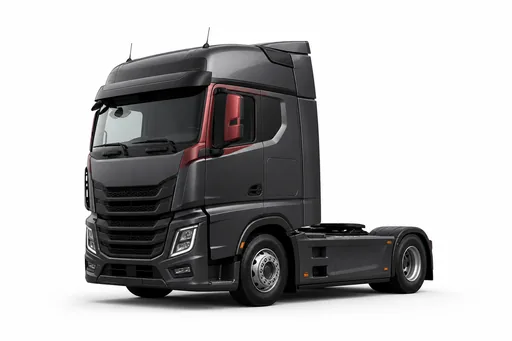
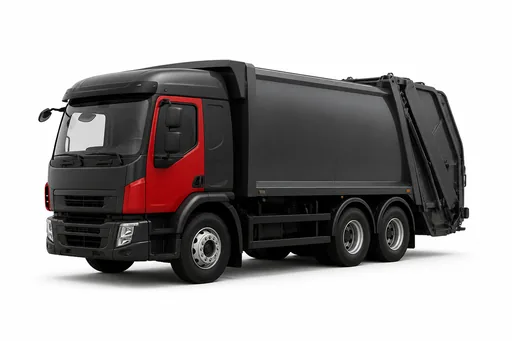
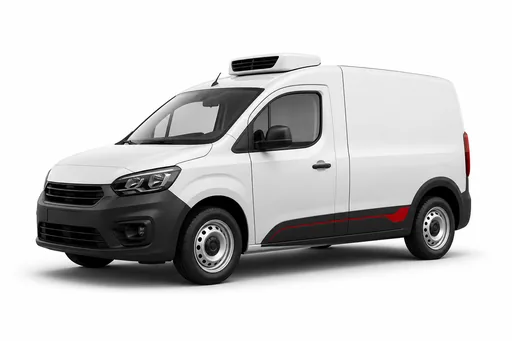
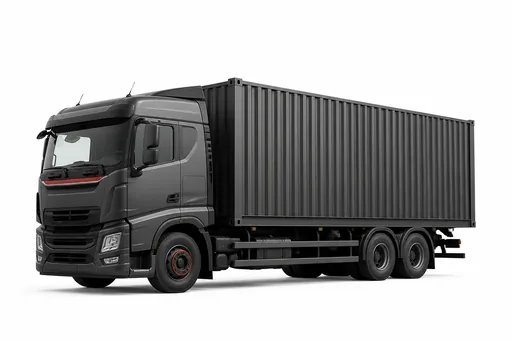
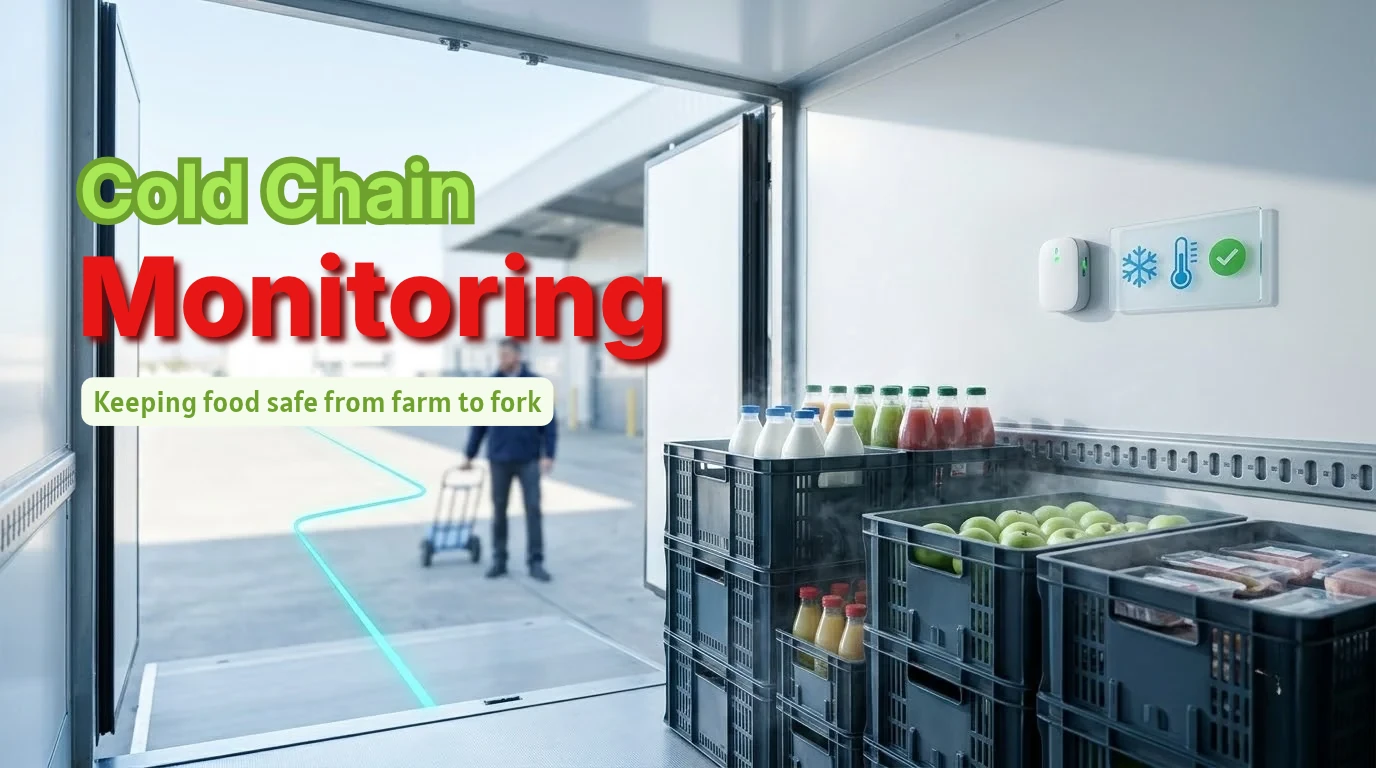
Cold chain monitoring for food and beverage logistics means tracking the temperature, location, and condition of chilled and frozen food at every step, from cold store to customer. With connected logistics, sensors in cold rooms and refrigerated vehicles report in real time, managers get alerts the moment a load goes out of range or a door is left open, and every trip produces a time-stamped temperature record that proves the food stayed safe.
For food and beverage companies, the cold chain is where quality, safety, and profit are won or lost. A single fridge failure can spoil a full truckload of dairy, meat, or frozen goods, and a rejected delivery costs the product, the trip, and the customer's trust. This guide explains the main challenges in food and beverage logistics, what a cold chain monitoring system tracks, how connected logistics works from farm to fork, and how to choose the right solution.
What this guide covers
- Challenges in food and beverage logistics
- What is connected logistics?
- What a food cold chain monitoring system tracks
- Cold chain monitoring from farm to fork
- Common cold chain failures and how to fix them
- Benefits for food and beverage companies
- How to choose a cold chain monitoring system
- FAQs
Challenges in Food and Beverage Logistics
- Food safety: chilled and frozen products must stay within strict temperature ranges. Food safety rules, such as HACCP-based plans and the requirements of regulators like FSSAI in India and FSANZ in Australia, expect businesses to control and record these conditions.
- Food waste: spoilage in storage and transport is a major source of loss. According to the FAO, around 13% of food is lost between harvest and retail.
- Traceability: customers, retailers, and regulators want to know where food came from and how it was handled. Long, fragmented supply chains make that hard, especially for smaller brands.
- Tight delivery windows: supermarkets, restaurants, and quick commerce stores expect frequent, punctual deliveries of fresh stock.
- Rising costs: fuel, refrigeration, and labour costs make every wasted trip and rejected load more expensive.
What Is Connected Logistics?
Connected logistics uses IoT sensors, GPS tracking, and a cloud platform to link warehouses, vehicles, drivers, and goods into one live view. Instead of relying on phone calls, paper logs, and checks at the end of a trip, managers see what is happening as it happens and get alerts when something needs attention. In food and beverage logistics, the most important use is cold chain monitoring.
What a Food Cold Chain Monitoring System Tracks
- Temperature: readings from the load or the fridge unit every few minutes, with alerts outside the safe range for each product, such as chilled dairy or frozen goods.
- Humidity: important for fresh fruit and vegetables, which can dry out or rot if humidity is wrong.
- Door openings: door sensors show when and for how long refrigerated doors were open, and alert if they are left open.
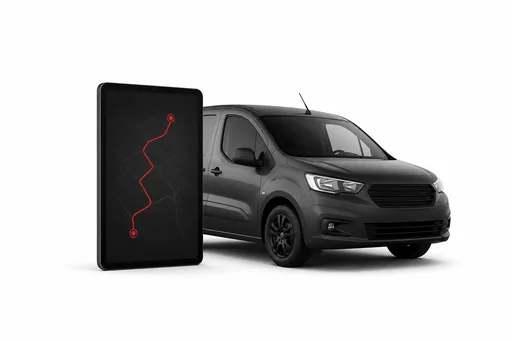
- Location and arrival times: live GPS tracking, trip history, and geofence alerts when vehicles arrive at or leave pickups and drops.
- Driver behaviour: harsh braking and sharp turns can damage loads and packaging, and speeding raises the risk of accidents.
- Vehicle health: engine faults and service reminders help prevent breakdowns that leave a load stranded.
Cold Chain Monitoring From Farm to Fork
Most cold chain failures happen at the hand-offs between steps, so each one needs to be monitored:
- Cold store: cold rooms and freezers are monitored around the clock, with alerts for temperature changes, power cuts, and doors left open.
- Loading: vehicles are pre-cooled before loading, and door-open time is kept short. Geofences record how long vehicles wait at loading bays.
- In transit: managers see the live temperature, location, and arrival time of every refrigerated vehicle. If a fridge unit fails, the driver can be sent to the nearest depot before the load is lost.
- Delivery: the customer receives the goods with a complete temperature record for the trip, which settles disputes about whether the cold chain was kept.
Common Cold Chain Failures and How to Fix Them
- Fridge unit fails mid-route: an instant temperature alert lets the depot reroute the vehicle or transfer the load in time.
- Doors left open at drops: door sensors alert the driver and manager after a set number of minutes.
- Vehicle not pre-cooled: a temperature check before departure stops a warm truck from being loaded.
- Long waits at loading bays: geofence data shows where time is lost, so schedules can be fixed with suppliers and customers.
- Paper logs filled in later: automatic, time-stamped records replace manual logs and stand up to audits.
Benefits for Food and Beverage Companies
- Less spoilage and fewer rejected loads: problems are caught while there is still time to save the product.
- Proof of compliance: complete temperature records for every storage unit and trip support food safety audits and customer requirements.
- On-time deliveries: live tracking and route data help meet tight delivery windows.
- Lower fleet costs: better routes, less idling, and maintenance based on real usage reduce fuel and repair costs.
- Safer drivers: driving behaviour alerts reduce accidents and damage to loads.
- Traceability: every shipment has a record of where it went, when, and in what condition.
A leading ice cream manufacturer, for example, used Anstel's connected logistics to monitor temperatures round the clock in its warehouses and trucks, cutting spoilage and keeping deliveries on time. Read the full story in our case study "How an Ice Cream Maker Kept Cold Chain Deliveries on Time with Autonautics" in the Anstel Knowledge Center.
How to Choose a Cold Chain Monitoring System
- Storage and transport in one platform, so you don't need separate systems for cold rooms and vehicles.
- Reliable sensors with the accuracy, battery life, and reporting frequency your products need.
- Configurable alerts by product, vehicle, and site, sent to the people who can act.
- Complete temperature history and reports you can share with customers and auditors.
- Fleet features, including live tracking, geofences, driver behaviour, and maintenance.
- Coverage and connectivity that work on your routes, including regional areas.
- Integration with your warehouse, order, or ERP systems.
How Anstel Helps
Anstel's connected logistics solutions, now part of the Autonautics platform, monitor food from storage to delivery. Wireless sensors watch freezers, coolers, and cold rooms around the clock. In vehicles, Anstel Connected Fleet combines live GPS tracking with temperature and door sensors, geofence alerts, driver behaviour monitoring, maintenance reminders, and a complete temperature history for every trip, all in one dashboard.
Frequently Asked Questions
What is cold chain monitoring?
Cold chain monitoring is the continuous tracking of temperature and other conditions for products that must be kept chilled or frozen, during storage and transport. Sensors send readings to a platform that alerts staff when conditions go outside safe limits and keeps a record for compliance.
What is connected logistics in the food and beverage industry?
Connected logistics links warehouses, vehicles, drivers, and goods through IoT sensors, GPS tracking, and a cloud platform. In food and beverage, it is used mainly to monitor the cold chain, track deliveries, and keep records that prove food stayed safe.
How do you monitor temperature in a refrigerated truck?
Wireless temperature sensors are placed in the cargo area and connected to a vehicle tracker, which sends the readings over the mobile network to a fleet platform. Managers see the temperature alongside the truck's live location and receive alerts if it goes out of range.
Why are door sensors important in the cold chain?
Every time a refrigerated door opens, warm air gets in. Door sensors show how often and how long doors were open, and send alerts when a door is left open, which helps prevent temperature rises that spoil food.
How does cold chain monitoring help with food safety compliance?
It creates automatic, time-stamped temperature records for every storage unit and trip. These records support HACCP-based food safety plans and audits, and show customers and regulators that food was kept within the required limits.
Can one system monitor both cold storage and vehicles?
Yes. Platforms that combine fixed sensors in cold rooms and freezers with vehicle tracking and in-vehicle sensors give one view of the cold chain from storage to delivery.
Keep the Cold Chain Unbroken
In food and beverage logistics, the product is only as safe as the weakest link in the cold chain. Connected logistics makes every link visible, from the cold store to the customer's door, so problems are fixed before food is lost.
Get in touch with the Anstel team to see cold chain monitoring working on your fleet and storage.