
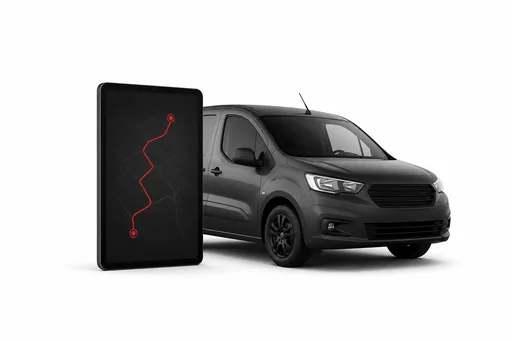
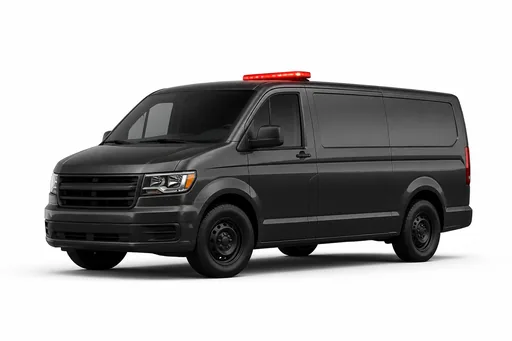
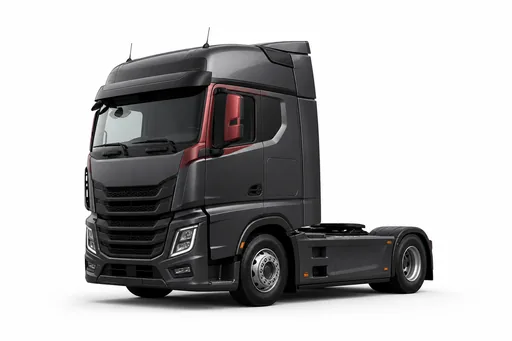
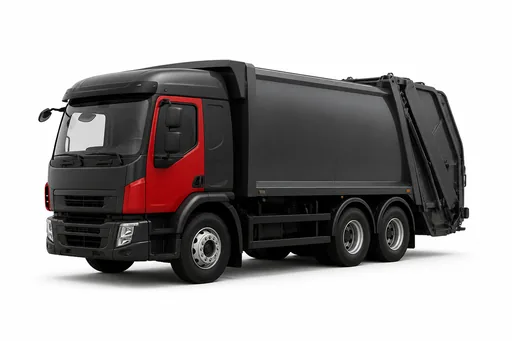
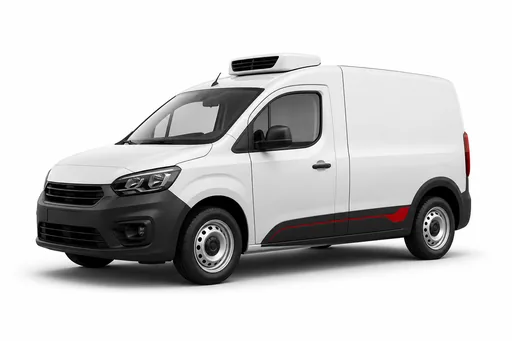
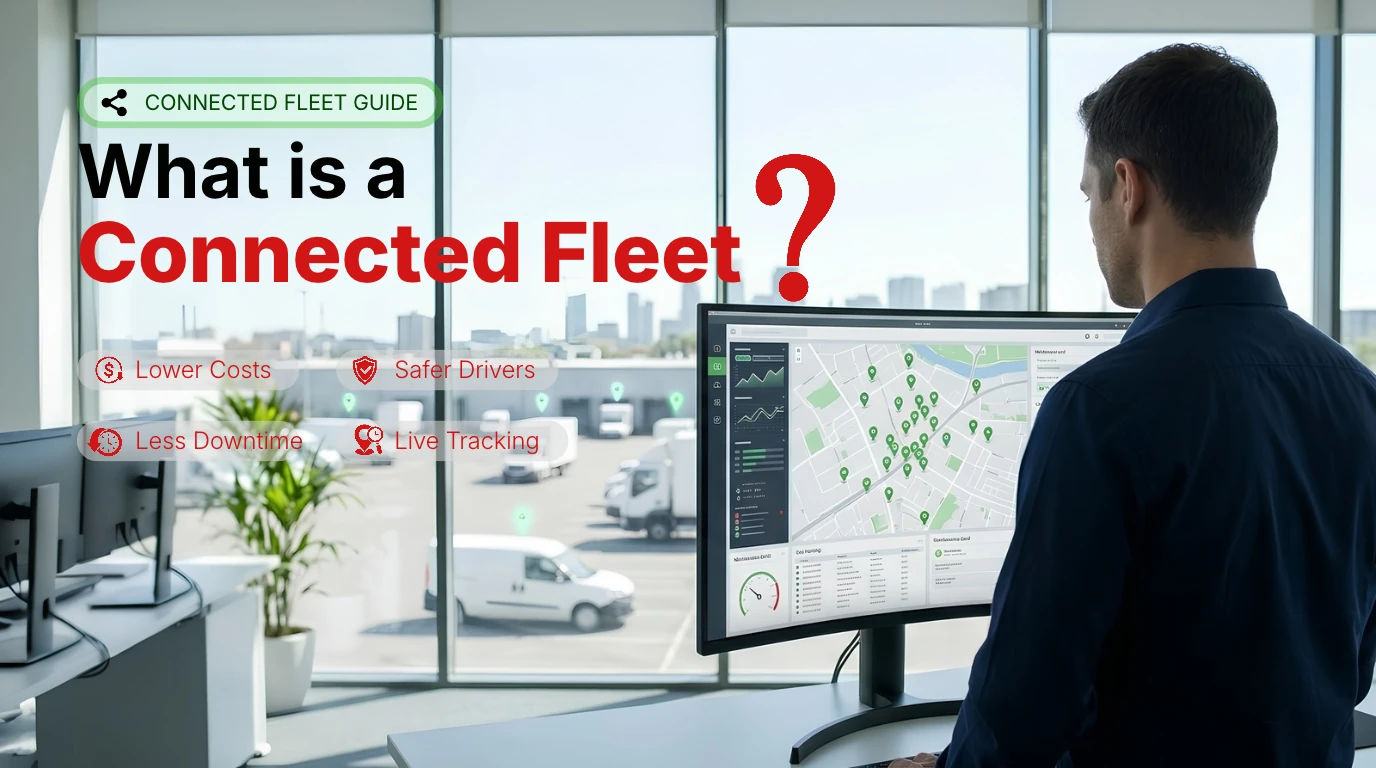
A connected fleet is a fleet whose vehicles, drivers, and equipment share data in real time with one central platform. GPS trackers, engine diagnostics, cameras, and sensors send information over the mobile network to fleet management software, which turns it into live locations, alerts, and reports. The result is lower running costs, safer driving, less downtime, and happier customers.
Basic GPS tracking shows where a vehicle is. A connected fleet shows what is happening across the whole operation: how vehicles are driven, when they need servicing, which jobs are running late, and where money is being wasted. Adoption is growing fast. Berg Insight estimates there were about 19.2 million active fleet management systems in North America alone at the end of 2024, and expects that to reach 33.2 million by 2029. This guide explains what a connected fleet is, how it works, the main benefits, how it improves customer satisfaction, and how to get started.
What this guide covers
- What a connected fleet is
- How a connected fleet works
- What a connected fleet tracks
- Benefits of connected fleet management
- How a connected fleet improves customer satisfaction
- 8 ways to get more from your connected fleet
- How to get started, and challenges to plan for
- FAQs
What Is a Connected Fleet?
A connected fleet links every vehicle and driver to the business through data. Instead of tracking vehicles on a map and checking paperwork separately, the fleet manager sees location, driver behaviour, vehicle health, fuel use, and job status in one place, and can act on it straight away.
Telematics is the technology that makes this possible: devices that collect vehicle data and send it over the mobile network. A connected fleet is what a business builds with that technology, by connecting vehicles, drivers, dispatch, maintenance, and customers. Our separate guide "What Is Fleet Telematics?" in the Anstel Knowledge Center covers telematics features in more detail.
How a Connected Fleet Works
- Devices: GPS trackers, plug-in OBD-II devices, hardwired trackers, dashcams, and sensors in each vehicle collect data. Many new vehicles also have factory-fitted telematics that can share data.
- Connectivity: the data is sent over 4G, LTE-M, NB-IoT, or 5G mobile networks, with satellite options for remote areas.
- Platform: cloud fleet management software turns raw data into live maps, alerts, dashboards, and reports, and can connect to other systems such as dispatch, payroll, or accounting.
- People: managers act on alerts and reports, drivers use mobile apps for jobs and inspections, and customers receive arrival times and delivery updates.
What a Connected Fleet Tracks
- Location and trips: live position, routes, stops, and trip history.
- Driver behaviour: speeding, harsh braking, rapid acceleration, sharp turns, and idling.
- Vehicle health: engine fault codes, battery voltage, engine hours, and kilometres for service reminders.
- Fuel: fuel use, idling time, and sudden drops in fuel level that may point to theft.
- Cargo and assets: temperature, door openings, and trailer or equipment location.
- Video: road-facing and driver-facing camera footage of key events.
- Jobs and paperwork: dispatch, job status, digital proof of delivery, inspections, and documents.
Benefits of Connected Fleet Management
Lower Fuel and Operating Costs
Idling alerts, driver coaching, and better routes cut fuel use. Accurate records of kilometres, hours, and expenses show where money goes, so managers can track the total cost of owning and running each vehicle and act on the biggest costs.
Safer Drivers
Real-time alerts for speeding and harsh driving, and driver scores based on real data, make coaching fair and specific. Fewer incidents mean lower repair and insurance costs, and video and trip data protect drivers from false claims.
Less Downtime
Engine fault codes and service reminders based on real kilometres and engine hours help fix problems before they cause breakdowns. Our "What Is Fleet Maintenance?" guide in the Anstel Knowledge Center explains preventive and predictive maintenance in detail.
Security and Control
Geofences send alerts when vehicles leave a depot, enter restricted areas, or are used outside working hours. If a vehicle is stolen, live tracking helps recover it quickly.
Easier Compliance
Digital records of trips, inspections, maintenance, and driver hours make audits simpler and help meet local rules, such as AIS 140 for public service vehicles in India.
Better Use of Every Vehicle
Utilisation data shows which vehicles are overworked and which sit idle, so fleets can balance work, avoid buying vehicles they don't need, and plan replacements.
How a Connected Fleet Improves Customer Satisfaction
For customers, the things that matter most are reliable arrival times, clear updates, and their goods arriving safely. Delays, breakdowns, damaged goods, and silence when something goes wrong are what drive them away. A connected fleet helps in five ways:
- Accurate arrival times: live locations and traffic data give realistic ETAs, and customers can get automatic updates when a driver is close.
- Proactive delay updates: if a vehicle is stuck in traffic or breaks down, the team sees it straight away and can tell the customer before they have to call.
- Proof of delivery: digital signatures, photos, and time stamps settle "where is my order?" questions quickly.
- Fewer breakdowns and accidents: well-maintained vehicles and safer drivers mean fewer missed deliveries and damaged goods.
- Accurate billing: GPS records of arrival and departure times, kilometres, and hours worked support correct invoices and fair payments to contractors.
Rewarding drivers with good safety and on-time scores also helps, because safe, reliable drivers are the people customers actually meet.
8 Ways to Get More from Your Connected Fleet
- Watch fuel and idling: set idling alerts, review fuel reports weekly, and coach drivers on the habits that waste fuel.
- Plan maintenance on real data: use engine fault codes and kilometre or engine-hour reminders instead of guesswork.
- Optimise routes: plan efficient routes, re-route around delays, and send the nearest available vehicle to new jobs.
- Use geofences: create zones for depots, customer sites, and restricted areas to automate arrival records and catch misuse.
- Coach drivers: share driver scores, reward safe driving, and give targeted training where it is needed.
- Centralise your data: bring tracking, maintenance, fuel, and job data into one platform instead of several separate tools.
- Track total cost of ownership: combine fuel, maintenance, and other running costs for each vehicle to guide replacement decisions.
- Review reports regularly: look at utilisation, costs, safety, and on-time performance every month, and act on what you find.
How to Get Started with a Connected Fleet
- Set your goals. Pick the two or three problems that cost you most, such as fuel, accidents, breakdowns, or late deliveries, and decide how you'll measure them.
- Choose the right devices. Plug-in OBD-II trackers are quick to fit in cars and vans, hardwired trackers are harder to tamper with, and cameras or sensors add video, temperature, or door data.
- Choose the platform. Look for an easy dashboard, mobile apps for managers and drivers, useful reports, integrations with your other systems, strong data security, and local support.
- Pilot first. Start with a small group of vehicles, measure the results, and adjust alerts and reports.
- Bring drivers with you. Explain what is tracked and why, and how the data will be used for safety and coaching, not punishment.
- Roll out and review. Expand to the whole fleet and review results every quarter.
Challenges to Plan For
- Driver privacy: location and camera data are personal data. Tell drivers what is collected, limit access, and follow privacy laws such as India's Digital Personal Data Protection Act.
- Too much data: without clear goals, alerts and reports become noise. Start with a few key alerts and add more as needed.
- Mixed vehicles and devices: fleets with different makes, ages, and trackers need a platform that brings all the data together.
- Coverage and hardware: choose devices built for current networks, with data buffering for areas with weak coverage.
How Anstel Helps
Anstel's Autonautics platform is built for connected fleets. It brings live tracking, driver behaviour, maintenance alerts, fuel monitoring, video, jobs, and reports into one dashboard, with mobile apps for managers and drivers. It works with trackers and cameras from leading device makers, fits into existing processes, and scales from small businesses to large fleets. Anstel supports fleets across Australia, India, New Zealand, Fiji, and Papua New Guinea.
Frequently Asked Questions
What is a connected fleet?
A connected fleet is a fleet whose vehicles, drivers, and equipment share data in real time with a central fleet management platform. It combines GPS tracking, vehicle diagnostics, cameras, and sensors to give managers a complete, live view of their operation.
What is the difference between GPS tracking and a connected fleet?
GPS tracking shows where vehicles are. A connected fleet adds driver behaviour, vehicle health, fuel, video, and job data, and connects it to maintenance, dispatch, and customers, so managers can act on problems rather than just see locations.
How does connected fleet management work?
Devices in each vehicle collect data and send it over the mobile network to cloud software. The software turns it into live maps, alerts, dashboards, and reports that managers, drivers, and customers can use.
What are the benefits of connected fleet management?
The main benefits are lower fuel and operating costs, safer driving, less downtime, better security, easier compliance, better use of vehicles, and higher customer satisfaction.
How does a connected fleet improve customer satisfaction?
It gives customers accurate arrival times and automatic updates, lets teams warn customers about delays early, provides digital proof of delivery, reduces breakdowns and damaged goods, and supports accurate billing.
Is a connected fleet worth it for a small business?
Yes, for most fleets. Even a handful of vehicles can save on fuel, maintenance, and admin time, and plug-in devices and monthly software plans keep the starting cost low. A short pilot shows the savings before you commit.
Connect Your Fleet, Then Act on the Data
A connected fleet isn't about collecting more data; it is about acting on the right data at the right time. Start with your biggest costs, connect the vehicles and people involved, and review the results regularly.
Get in touch with the Anstel team to see how a connected fleet would work for your business.