

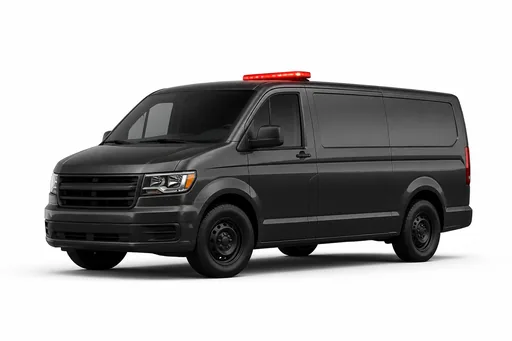
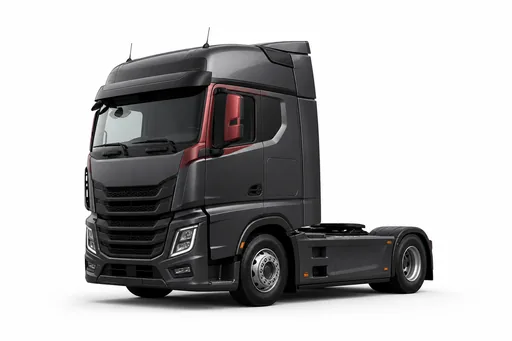
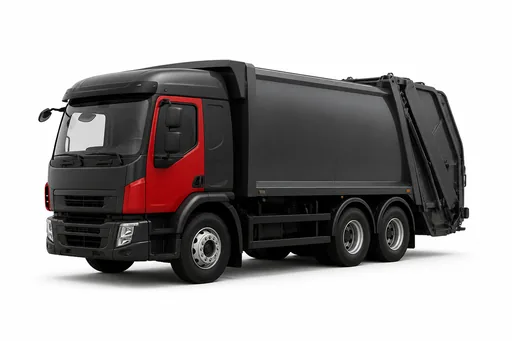
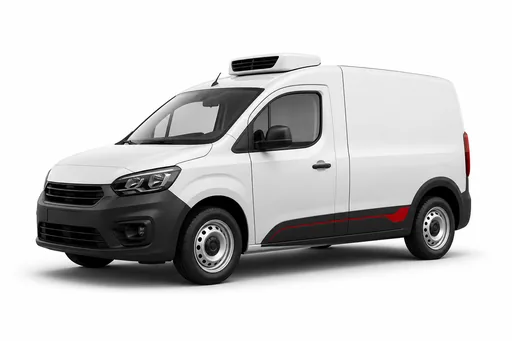
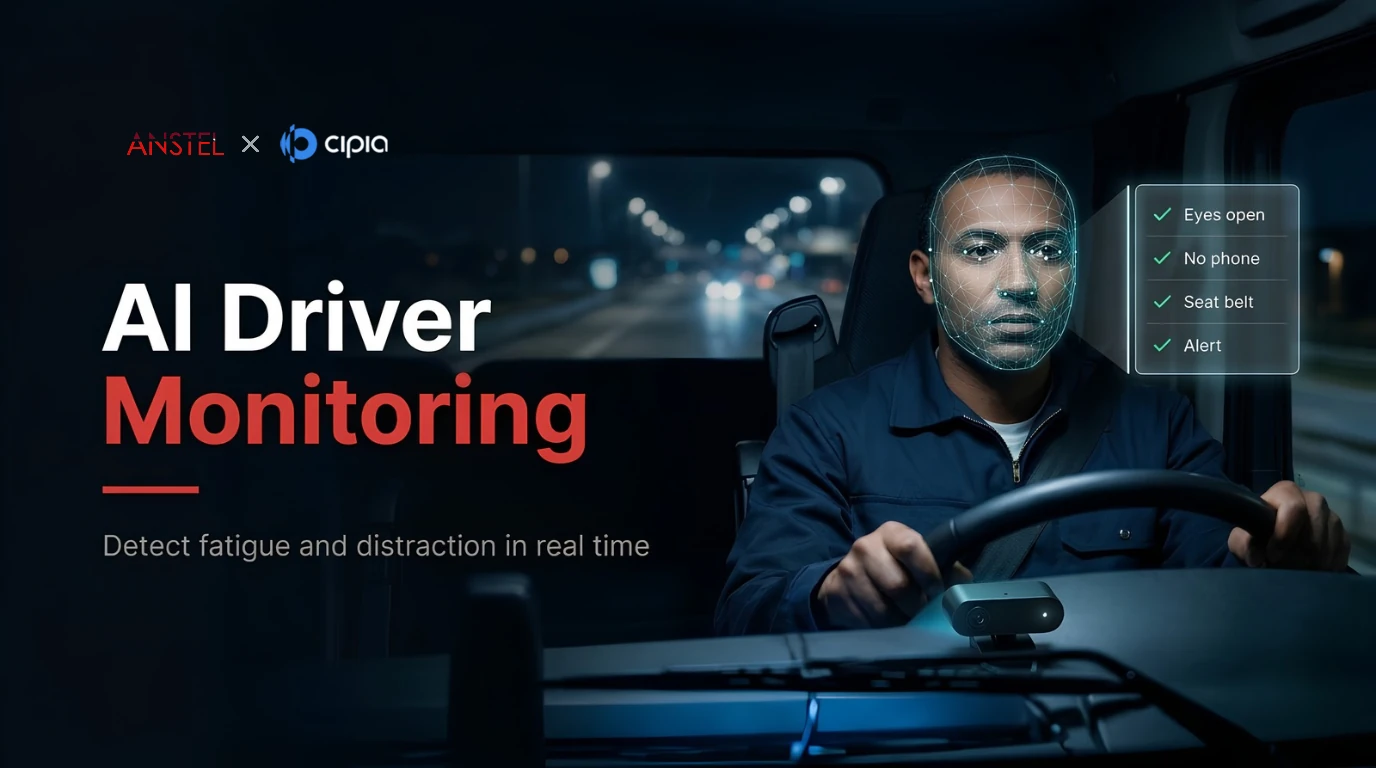
Anstel and Cipia work together to give fleets a complete view of safety: Anstel Connected Fleet tracks where and how every vehicle is driven, and the Cipia AI driver monitoring system watches what happens inside the cab. The Cipia camera detects drowsiness, distraction, phone use, smoking, and missing seat belts, warns the driver in real time, and sends the event to the same Anstel dashboard as the vehicle's location and driving data.
Together, they help fleet managers prevent accidents rather than only investigate them afterwards. This guide explains why GPS tracking alone misses the biggest driver risks, how the Cipia driver monitoring system works, what fleets get from combining it with Anstel Connected Fleet, and how to roll it out fairly.
What this guide covers
- Why GPS tracking alone misses driver risk
- What the Cipia driver monitoring system detects
- How AI driver monitoring works
- What Anstel and Cipia do together
- Benefits for fleets
- How to roll out driver monitoring fairly
- FAQs
Why GPS Tracking Alone Misses Driver Risk
Fleet tracking is good at measuring what the vehicle does: speed, harsh braking, sharp turns, idling, and route. It cannot see what the driver is doing. A driver can be holding the speed limit perfectly while nodding off, reading a phone, or looking away from the road, and a GPS tracker will record nothing unusual until something goes wrong.
These risks are also badly under-recorded. In the United States, the Governors Highway Safety Association estimated in 2025 that more than 6,300 people died in suspected drowsy-driving crashes in 2023, about ten times the 633 deaths in official federal figures, because fatigue leaves no physical evidence after a crash. In India, the Ministry of Road Transport and Highways recorded 2,002 deaths in 2024 from drivers using a mobile phone, and distraction is rarely proven after the event.
An in-cab camera fills that gap by watching for the warning signs as they happen.
What the Cipia Driver Monitoring System Detects
The Cipia driver monitoring system offered by Anstel is based on the Cipia-FS10, a compact AI camera mounted on the windscreen or dashboard and facing the driver. It detects:
- Drowsiness and fatigue: slow blinking, closing eyes, and dozing off, measured from eye and head movement.
- Distraction: looking away from the road for too long, based on head position, gaze direction, and blink rate.
- Phone use: holding a phone or texting while driving.
- Smoking, eating, and drinking while driving.
- Seat belt use and the driver's position in the seat.
- Driver identification: recognising which driver is at the wheel, so trips and scores are linked to the right person.
- Camera tampering: alerts if the camera is covered, moved, or loses calibration.
Cipia has since added road-facing features to the FS10, including forward collision warning, lane departure warning, and tailgating detection. Ask the Anstel team which versions and features are available in your region.
How AI Driver Monitoring Works
- Watch: the camera faces the driver and tracks the face, eyes, head, and hands throughout the trip.
- Analyse on the device: computer vision software runs on the camera itself, so it can recognise risky behaviour in a fraction of a second without waiting for a network connection.
- Alert the driver: a configurable audio and visual alert warns the driver straight away, giving them the chance to correct the behaviour before it causes an accident.
- Report to the fleet: the event is sent over the camera's 4G LTE connection to the fleet platform, where managers see it alongside the vehicle's location, speed, and trip, and it feeds into each driver's score.
The camera also has built-in GPS, a motion sensor, and a microSD slot for storing recordings, and it is powered from the vehicle's 7–32 V supply, so it suits cars, vans, trucks, and buses.
What Anstel and Cipia Do Together
On its own, a driver monitoring camera shows what happens in the cab, and a fleet tracker shows what happens on the road. Combined in Anstel Connected Fleet, they give managers one place to see both:
- One dashboard: in-cab events from the Cipia camera appear on the same live map and trip history as GPS location, speed, and harsh driving events.
- Complete driver scorecards: scores combine road behaviour, such as speeding and harsh braking, with in-cab behaviour, such as fatigue and phone use.
- Real-time alerts: managers can be notified of serious events, such as repeated drowsiness, while the vehicle is still on the road.
- Context for every event: each alert comes with the time, location, and speed, so managers can see exactly what was happening.
- Reports and coaching: regular reports show which drivers and routes need attention, giving a fair basis for training.
- The rest of the fleet picture: fuel, idling, maintenance, geofences, and unauthorised use stay in the same system.
Benefits for Fleets
- Fewer accidents: drivers are warned at the moment they become drowsy or distracted, not after a crash.
- Safer, healthier drivers: fatigue data helps managers spot overloaded schedules and adjust shifts and breaks.
- Lower costs: fewer accidents mean fewer repairs, injuries, vehicles off the road, and insurance claims.
- Evidence when it matters: event records help settle disputes and protect drivers from unfair blame.
- Better coaching: clear, objective data replaces guesswork, and good drivers can be recognised and rewarded.
- A stronger safety record: customers and partners increasingly expect proof that a fleet manages driver safety.
How to Roll Out Driver Monitoring Fairly
A camera facing the driver can feel intrusive, so how it is introduced matters as much as the technology:
- Explain the purpose first. Tell drivers the camera is there to keep them safe and wake them up before an accident, not to watch them.
- Write a clear policy. Set out what is recorded, who can see it, how long it is kept, and how it is used.
- Follow data protection law. Video and facial data are personal data. In India, the Digital Personal Data Protection Act, 2023 applies, so give clear notice, store data securely, and keep it only as long as needed. Take legal advice on the rules where you operate.
- Start with a pilot. Fit cameras to a few vehicles, tune alert settings to avoid false alarms, and collect driver feedback.
- Coach, don't punish. Use events for private coaching and recognise drivers whose scores improve.
About Anstel and Cipia
Anstel builds IoT and connected fleet solutions, working with telecom operators and businesses across Australia, India, New Zealand, Fiji, and Papua New Guinea. Its Autonautics platform brings together fleet tracking, AI cameras, fuel management, maintenance, last mile delivery, and asset monitoring in one system.
Cipia, formerly Eyesight Technologies, develops computer vision and AI for the vehicle cabin. Its driver monitoring technology is used by carmakers as well as fleets, and the Cipia-FS10 brings that technology to commercial vehicles as an aftermarket camera.
Frequently Asked Questions
What is a driver monitoring system?
A driver monitoring system (DMS) is an in-cab camera with AI software that watches the driver's face, eyes, and hands to detect drowsiness, distraction, phone use, and other risky behaviour. It warns the driver in real time and reports events to the fleet manager.
What does the Cipia driver monitoring system detect?
The Cipia-FS10 detects drowsiness and fatigue, distraction, phone use, smoking, eating and drinking, seat belt use, and driver position. It can also identify the driver and alert the fleet if the camera is covered or moved.
How does Cipia work with Anstel Connected Fleet?
Events from the Cipia camera are sent over 4G to Anstel Connected Fleet, where they appear on the same dashboard as each vehicle's GPS location, speed, and trip history. Managers get alerts, combined driver scorecards, and reports in one place.
Can a driver monitoring system prevent accidents?
It cannot prevent every accident, but it warns drivers at the moment they become drowsy or distracted, giving them the chance to react, and it helps managers find and fix risky patterns such as fatigue on long shifts before they lead to a crash.
Is it legal to use driver-facing cameras in fleet vehicles?
Generally yes for company vehicles, but video and facial data are personal data. Tell drivers what is recorded and why, set it out in a written policy, store data securely, and take legal advice on data protection rules, such as India's Digital Personal Data Protection Act, 2023.
What is the difference between a dashcam and a driver monitoring system?
A standard dashcam records the road for evidence after an event. A driver monitoring system faces the driver and uses AI to recognise fatigue and distraction as they happen, warning the driver in real time. Some systems, including newer versions of the Cipia-FS10, combine both.
Safer Drivers, Inside and Out
Fleet tracking shows how vehicles are driven. Driver monitoring shows whether the driver is alert enough to drive them. Together, Anstel Connected Fleet and the Cipia driver monitoring system give fleets the full picture, and the chance to stop accidents before they happen.
Get in touch with the Anstel team to plan a driver monitoring pilot for your fleet.