









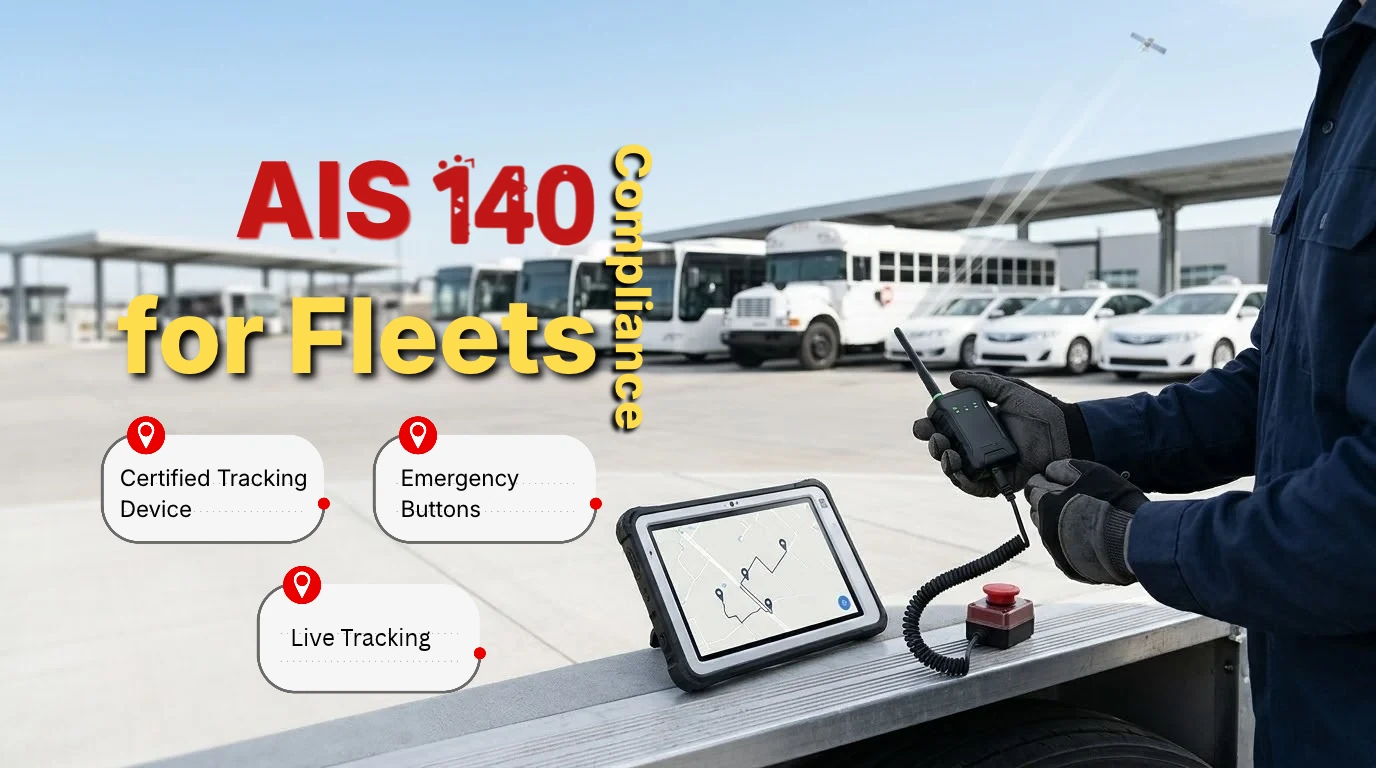
AIS 140 is India's standard for vehicle location tracking devices (VLTDs) and emergency buttons in public service vehicles, such as buses, taxis, and other permit vehicles. A compliant system uses a certified GPS tracker that sends the vehicle's live location to a state government backend, and emergency buttons that let passengers or the driver call for help with one press. For fleet operators, AIS 140 is both a legal requirement and a useful fleet management tool.
This guide explains what AIS 140 is, which vehicles must comply, the technical requirements for AIS 140 GPS tracking devices, how the system works, the benefits for fleet operators, common challenges, and how to choose a compliant device.
What this guide covers
- What is AIS 140?
- Which vehicles need AIS 140 devices?
- AIS 140 GPS device requirements
- How the AIS 140 system works
- Benefits of AIS 140 for fleet operators
- Installation challenges
- Penalties for non-compliance
- How to choose an AIS 140 device and software
- FAQs
What Is AIS 140?
AIS 140 (Automotive Industry Standard 140) sets out the requirements for intelligent transportation systems (ITS) in public transport in India, including vehicle tracking, emergency buttons, and the backend systems that receive their data. It was developed by the Automotive Research Association of India (ARAI) and published by the Automotive Industry Standards Committee under the Ministry of Road Transport and Highways (MoRTH).
The aim is to make public transport safer, especially for women and children, and to give authorities better visibility of vehicles on the road. The Central Motor Vehicles Rules were amended to require public service vehicles to carry an AIS 140 compliant tracking device and emergency buttons.
Which Vehicles Need AIS 140 Devices?
Under the Central Motor Vehicles Rules, public service vehicles must be fitted with an AIS 140 vehicle location tracking device and one or more emergency buttons. This was made mandatory for newly registered public service vehicles from 1 January 2019, and states have set their own timelines and enforcement for existing vehicles. Vehicles that typically need to comply include:
- State transport corporation buses
- Private stage carriage and contract carriage buses, including interstate buses
- Taxis, cabs, and ride-hailing vehicles
- Rent-a-cab and self-drive rental vehicles
- School buses and employee transport vehicles
- Ambulances and other permit-based passenger vehicles
Two-wheelers, e-rickshaws, three-wheelers, and vehicles that don't need a permit are generally exempt from the central rule, but some states apply wider requirements, including for certain goods vehicles. Always check the current rules with your state transport department.
AIS 140 GPS Device Requirements
An AIS 140 vehicle location tracking device must meet a detailed technical specification. The key requirements include:
- GNSS positioning: satellite-based tracking with support for GAGAN, India's satellite-based augmentation system, for accurate location.
- Real-time data: position, velocity, and time (PVT) data sent to the state backend over the mobile network at set intervals.
- Two separate data streams: one IP address for regular tracking data to the regulator, and a second for the emergency response system.
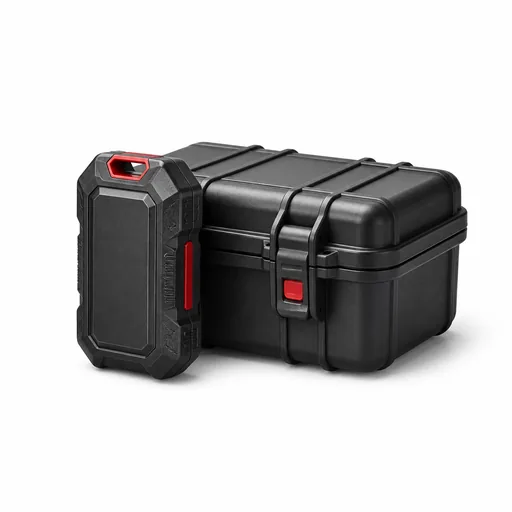
- Emergency buttons: one or more panic buttons that passengers and the driver can easily reach, which send an alert with the vehicle's location.
- Embedded SIM: an industrial-grade embedded SIM for mobile connectivity.
- Backup battery: an internal battery that keeps the device working for at least four hours if vehicle power is cut.
- Inputs for accessories: digital, analogue, and serial interfaces for peripherals such as emergency buttons and buzzers.
- SMS fallback and updates: SMS backup if mobile data fails, and firmware updates over the air.
- Tamper protection and durability: alerts if the device is disconnected or tampered with, and resistance to dust, water, and temperature.
Devices must be type-approved by an authorised testing agency, such as ARAI or the International Centre for Automotive Technology (ICAT), and installed and activated as required by the state.
How the AIS 140 System Works
- Device: a certified tracker is installed, registered with the state backend, and linked to the vehicle's registration.
- Emergency button: in an emergency, a passenger or the driver presses the button.
- Control centre: the state's command and control centre receives the alert with the vehicle's live location, along with the regular tracking data from every registered vehicle.
- Response: the alert is routed to the right responders, such as police or an ambulance, and the operator can be informed.
Fleet operators can also send the same device data to their own fleet management software, so one certified device supports both compliance and day-to-day operations.
Benefits of AIS 140 for Fleet Operators
- Passenger safety: emergency buttons and live tracking mean faster help in an emergency, which builds trust with passengers and parents.
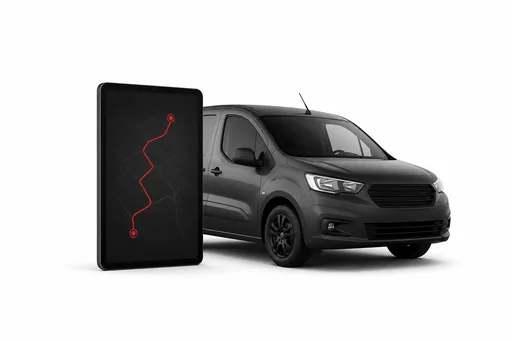
- Live tracking: every vehicle appears on a live map, with trip history and arrival times.
- Driving behaviour: speed and harsh driving data help managers coach drivers and reduce accidents.
- Route control: geofences alert managers when vehicles leave approved routes or make unplanned stops.
- Lower running costs: data on idling, kilometres, and routes helps cut fuel use and misuse.
- Maintenance: usage data supports timely servicing, which reduces breakdowns.
- Permits and compliance: a working, certified device helps avoid fines and problems with permits and fitness certificates.
Installation Challenges
- Antenna placement: GNSS signals are weak, so the device or antenna needs a clear view of the sky, away from metal surfaces that can affect accuracy.
- Wiring: the device must be connected to the vehicle battery or ignition with neat, protected wiring to avoid damage and electrical interference.
- Emergency button placement: buttons must be easy for passengers and the driver to reach, but protected from accidental presses.
- Registration and activation: devices must be correctly registered on the state backend, which can involve paperwork and waiting times.
- Mobile coverage: on rural routes, SMS fallback and data buffering keep tracking working when coverage drops.
Penalties for Non-Compliance
Penalties are set and enforced by each state, so they vary. Operators without a working, certified device may face fines, and in many states may have trouble renewing permits or getting fitness certificates for their vehicles. Check the current rules with your state transport department.
How to Choose an AIS 140 Device and Software
- Check certification: make sure the exact device model is type-approved for AIS 140 by an authorised testing agency.
- Check state approval: confirm the device is accepted on your state's backend.
- Plan installation: use trained installers and agree how emergency buttons will be fitted in each vehicle type.
- Choose good fleet software: look for live tracking, alerts for emergency buttons and tampering, geofences, driver behaviour, fuel and maintenance reports, and support for several device brands.
- Ask about support: check how faults, replacements, and backend issues are handled.
How Anstel Helps
Anstel's Autonautics platform works with GPS trackers from leading device makers and turns their data into live tracking, alerts, geofences, driver behaviour scores, and fuel and maintenance reports in one dashboard. Talk to the Anstel team about AIS 140 devices that are certified and accepted in your state, and how to use the same data to run your fleet more efficiently.
Frequently Asked Questions
What is AIS 140?
AIS 140 is an Indian automotive standard that sets requirements for vehicle location tracking devices, emergency buttons, and related systems in public transport vehicles. It was developed by ARAI and is mandated through the Central Motor Vehicles Rules.
Is AIS 140 mandatory?
Yes, for public service vehicles such as buses, taxis, and other permit vehicles, subject to state rules and exemptions. It became mandatory for newly registered public service vehicles from 1 January 2019, and states have set timelines for existing vehicles.
Which vehicles are exempt from AIS 140?
Under the central rule, two-wheelers, e-rickshaws, three-wheelers, and vehicles that don't require a permit are generally exempt. Some states apply wider rules, so operators should check with their state transport department.
What are the requirements for an AIS 140 GPS tracker?
Key requirements include GNSS positioning with GAGAN support, real-time data to the state backend, separate data streams for tracking and emergencies, emergency buttons, an embedded SIM, at least four hours of backup battery, SMS fallback, over-the-air updates, tamper alerts, and type approval from an authorised testing agency.
Who certifies AIS 140 devices?
Devices are tested and type-approved by authorised testing agencies such as the Automotive Research Association of India (ARAI) and the International Centre for Automotive Technology (ICAT).
What happens if a vehicle is not AIS 140 compliant?
Penalties depend on the state, but operators can face fines and may have problems renewing permits or obtaining fitness certificates until a certified, working device is installed.
Compliance That Pays for Itself
AIS 140 was designed to make public transport safer, but the same device and data can also cut fuel costs, improve driver behaviour, and keep vehicles on schedule. Choose a certified device, install it properly, and use the data every day, not just for compliance.
Get in touch with the Anstel team to plan AIS 140 compliant tracking and fleet management for your vehicles.